
How to Block Spam Calls on iPhone and Android

By Razib
TL;DR
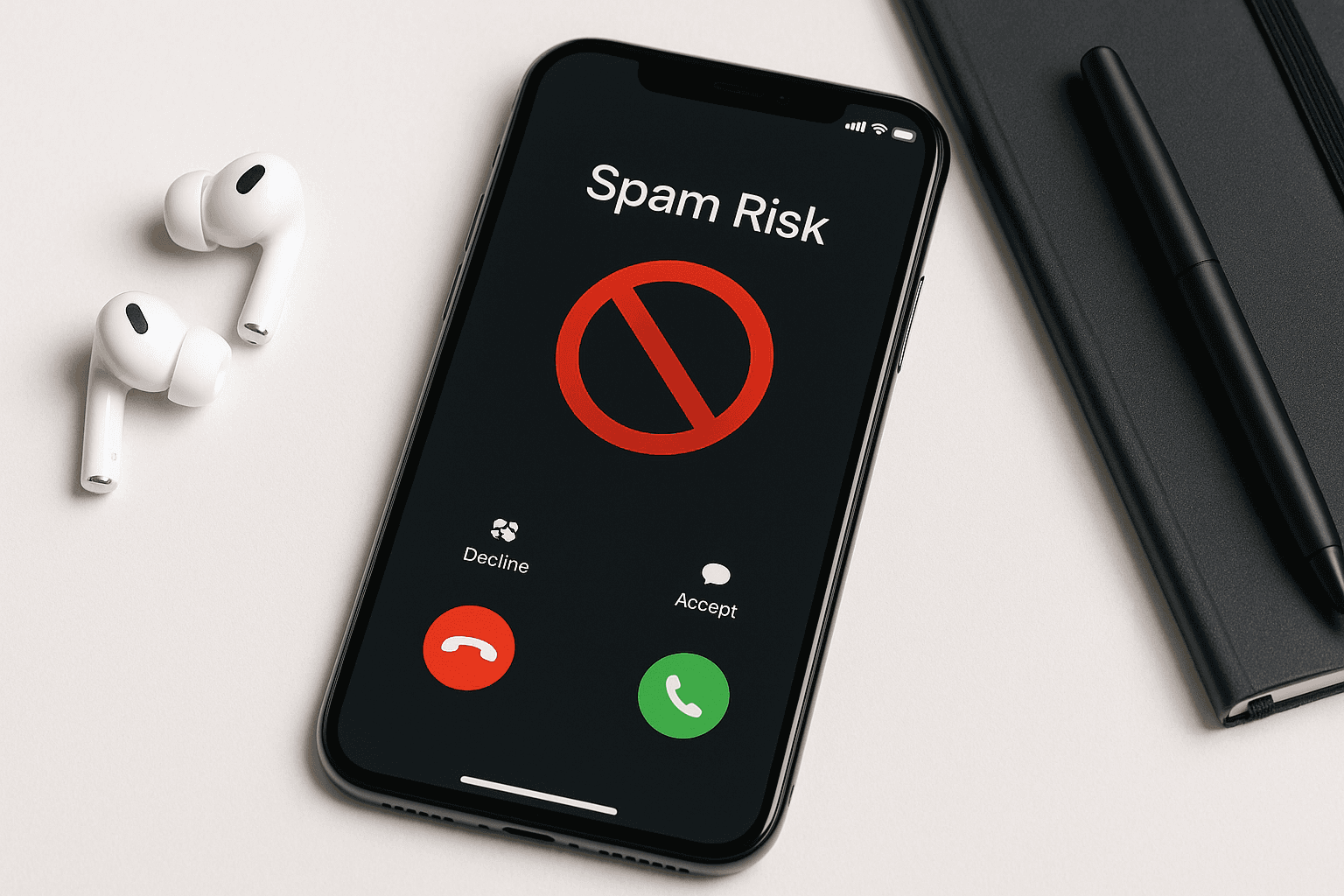
Blocking spam calls on your smartphone involves using built-in features like Silence Unknown Callers on iPhone or Call Screen on Android, along with carrier-provided spam protection services. Both platforms let you manually block numbers, report spam, and download third-party call-blocking apps for enhanced protection. The most effective approach combines multiple methods: enabling system-level spam filters, activating carrier protection, and maintaining a personal blocklist for persistent unwanted callers.
Understanding the Spam Call Problem
Spam calls have become an unavoidable nuisance for smartphone users worldwide. These unwanted calls range from robocalls promoting questionable products to sophisticated scam attempts designed to steal personal information or money. Americans alone receive billions of spam calls each year, with scammers constantly evolving their tactics to bypass detection systems. The problem affects both iPhone and Android users equally, though each platform offers distinct tools to combat these intrusions.
Before diving into solutions, it helps to understand that spam callers use technology to spoof legitimate numbers, making them appear as local calls or trusted institutions. This technique, called neighbor spoofing, tricks people into answering by displaying familiar area codes. Recognizing this tactic is the first step toward protecting yourself, as it explains why blocking individual numbers often feels like playing an endless game of whack-a-mole.
Built-in iPhone Spam Call Protection
Apple has steadily improved iPhone spam protection through iOS updates, offering several native features that work without downloading additional apps. The most powerful tool is the Silence Unknown Callers feature, which automatically sends calls from numbers not in your contacts, recent calls, or Siri Suggestions directly to voicemail. This aggressive approach dramatically reduces spam interruptions, though it requires you to save important contacts beforehand to avoid missing legitimate calls from new numbers like doctors’ offices or delivery drivers.
To enable this feature, open Settings, scroll to Phone, tap Silence Unknown Callers, and toggle the switch on. Your iPhone will then filter calls silently in the background, allowing known contacts to ring through normally while suspected spam goes straight to voicemail. The feature works particularly well for people who primarily communicate with an established circle of contacts and rarely expect calls from unknown numbers.
Manual Blocking on iPhone
For specific persistent callers, iPhone offers straightforward manual blocking. When you receive an unwanted call, tap the information icon next to the number in your recent calls list, scroll down, and select Block this Caller. The same option appears in Messages, FaceTime, and Mail, creating a unified block across Apple’s communication apps. Blocked callers cannot reach you through any of these channels, and they receive no notification that they’ve been blocked.
You can review and manage your blocked list by going to Settings, then Phone, and selecting Blocked Contacts. This centralized list shows everyone you’ve blocked and allows you to unblock numbers if needed. The Federal Trade Commission recommends blocking and reporting spam calls to help track patterns and pursue enforcement actions against persistent offenders.
Third-Party Apps for iPhone
Apple allows third-party call-blocking apps to integrate with iOS, providing additional layers of protection beyond built-in features. These apps maintain databases of known spam numbers and use pattern recognition to identify likely scams. Popular options like RoboKiller, Nomorobo, and Truecaller offer free and paid tiers with varying levels of protection. Most work by checking incoming numbers against their crowdsourced spam databases before your phone rings.
To use these apps effectively, download one from the App Store, grant the necessary permissions in Settings under Phone and Call Blocking & Identification, and enable the app’s blocking features. Many apps require subscription fees for full functionality, but free versions typically provide basic spam identification that labels suspicious calls on your screen before you answer.
Android Spam Call Protection Methods
Android phones benefit from Google’s aggressive spam detection technology, which analyzes calling patterns across its vast user network to identify and warn about potential spam in real time. The exact features available depend on your Android version and phone manufacturer, as companies like Samsung and Google Pixel include their own enhanced protection systems. Most modern Android devices running Android 10 or later include native spam protection that requires minimal setup.
Google Phone App Spam Protection
The Google Phone app, which comes pre-installed on Pixel phones and is downloadable on many other Android devices, includes powerful spam filtering built directly into the dialer. Open the Phone app, tap the three-dot menu, select Settings, then Spam and Call Screen. Here you can enable Filter spam calls, which automatically blocks calls from known spammers, and See caller and spam ID, which displays warnings for suspected spam numbers before you answer.
Google’s Call Screen feature represents one of Android’s most innovative spam-fighting tools. When enabled, Google Assistant can answer calls on your behalf, ask who’s calling and why, and provide a real-time transcript of the conversation. You can then choose to answer, mark as spam, or hang up without ever interacting with the caller directly. This feature not only blocks obvious spam but also deters human scammers who find the automated screening frustrating enough to hang up.
Manual Blocking on Android
Android makes blocking individual numbers straightforward across different phone manufacturers. In the Phone app, find the number you want to block in your recent calls, tap it to open details, then tap Block or Block/report spam depending on your device. Samsung phones offer similar functionality through their native dialer, while other manufacturers typically follow Google’s interface design.
Reporting numbers as spam when blocking them helps improve spam detection for all users. The data feeds into carrier and Google databases, making it easier to identify and block these numbers across the network. To view your blocked numbers, go to Phone app Settings and find the Blocked numbers section, where you can manage your list and unblock numbers if necessary.
Third-Party Apps for Android
Android’s open ecosystem supports numerous third-party call-blocking apps with varying approaches to spam prevention. Apps like Truecaller, Hiya, and Should I Answer use crowdsourced databases where millions of users report spam numbers, creating comprehensive blocklists updated in real time. These apps often provide more detailed caller identification than built-in features, showing caller names, spam scores, and community comments about specific numbers.
When choosing a third-party app, consider privacy implications since many require access to your call logs and contacts to function effectively. Read privacy policies carefully and select apps from reputable developers with transparent data practices. Most apps offer free basic protection with paid subscriptions unlocking advanced features like automatic call recording, reverse phone lookup, and enhanced spam detection algorithms.
Carrier-Level Spam Protection
Major carriers including Verizon, AT&T, and T-Mobile provide their own spam-blocking services that work at the network level before calls reach your phone. These services often catch spam more effectively than device-only solutions because carriers analyze calling patterns across their entire networks. Most carriers offer free basic spam identification, displaying “Scam Likely” or similar warnings on incoming calls, with premium paid tiers providing automatic blocking and enhanced detection.
To activate carrier spam protection, contact your carrier through their app or website. Verizon offers Call Filter, AT&T provides Call Protect, and T-Mobile includes Scam Shield, each with slightly different features and pricing structures. These services work independently of your phone’s operating system, providing an additional layer of defense that complements device-level blocking.
Best Practices for Maximum Protection
The most effective spam call defense combines multiple strategies rather than relying on a single solution. Enable your phone’s built-in spam filtering as a foundation, activate carrier-level protection for network-wide blocking, and consider a third-party app if spam calls remain problematic. Register your number with the National Do Not Call Registry, which legally prohibits legitimate telemarketers from calling you, though scammers ignore this list.
Avoid answering calls from unknown numbers whenever possible, as answering confirms your number is active and may lead to more spam calls. Never press buttons or speak in response to automated messages, as this can trigger additional calls. Be cautious about sharing your phone number online, and when required to provide it for online accounts or services, consider using a secondary number or temporary number service for non-essential registrations.
Regularly review and update your blocked numbers list, removing blocks that are no longer necessary while adding new persistent spammers. Stay informed about current scam tactics by checking resources from consumer protection agencies, which helps you recognize and avoid falling victim to evolving schemes. Remember that scammers frequently change numbers, so education and vigilance remain as important as technological solutions.
Frequently Asked Questions
Will blocking spam calls make them stop completely?
Blocking spam calls significantly reduces them but rarely eliminates them entirely. Scammers use number spoofing and constantly cycle through new phone numbers, making it impossible to block every potential spam source. However, combining multiple blocking methods including built-in filters, carrier protection, and third-party apps can reduce spam calls by 80-90% for most users. The goal is management rather than complete elimination.
Does the National Do Not Call Registry actually work?
The National Do Not Call Registry effectively stops calls from legitimate telemarketers who follow the law, but it does not prevent illegal scam calls. Scammers ignore the registry since they’re already breaking laws, so registering your number provides only partial protection. It remains worth registering because it reduces legal marketing calls and gives enforcement agencies tools to pursue legitimate companies that violate the rules.
Can spam callers tell if I’ve blocked their number?
No, blocked callers receive no notification that you’ve blocked them. On iPhone, blocked calls go directly to voicemail without ringing, while on Android the behavior depends on settings but typically sends calls to voicemail or disconnects them. From the caller’s perspective, the call appears to ring normally or go to voicemail, preventing them from knowing they’ve been blocked and potentially retaliating by calling from different numbers.
Are free call-blocking apps as effective as paid versions?
Free call-blocking apps provide basic spam identification and blocking but typically lack the advanced features and comprehensive databases found in paid versions. Free apps usually identify known spam numbers and allow manual blocking, while paid versions offer automatic blocking, larger spam databases, enhanced caller ID, and additional features like call recording. For moderate spam problems, free apps often suffice, but heavy spam targets may benefit from paid protection.
Should I answer spam calls to waste their time?
Never answer spam calls intentionally, even to waste scammers’ time. Answering confirms your number is active and reaches a real person, which flags your number as valuable in scammer databases and leads to more calls. Sophisticated scammers also use voice recognition technology to record your voice saying “yes” or other affirmative responses, potentially using these recordings for fraudulent authorization purposes. Always let suspected spam calls go to voicemail.
Why do spam calls show local area codes?
Spam callers use neighbor spoofing technology to make their calls appear to come from local numbers with your area code, increasing the likelihood you’ll answer. This technique exploits caller ID systems by falsifying the displayed number, making calls seem familiar and trustworthy. The actual caller may be located anywhere in the world, and the spoofed number often belongs to an innocent person whose number was randomly selected for display.
What should I do if a legitimate caller gets blocked by spam filters?
If important calls are being incorrectly filtered as spam, add those contacts to your phone’s contact list, which exempts them from most spam filtering. You can also temporarily disable aggressive filters like Silence Unknown Callers during periods when you expect calls from unknown numbers. For third-party apps, most offer whitelist features where you can manually approve specific numbers or area codes to always ring through regardless of spam scores.
Related Articles
 How To
How to Report Scam Calls and Robocalls
TL;DR Report scam calls to the Federal Trade Commission through their online complaint form or by phone at 1-877-382-4357, and forward robocalls to 7726 (SPAM) to help your carrier identify and block fraudulent numbers. You should also report violations to the Federal Communications Commission, your state attorney general, and consider registering your number on the […]
 How To
How to Check a Suspicious Text Message Number
TL;DR To check a suspicious text message number, start by conducting a reverse phone lookup using services like WhitePages or Truecaller, search the number online to see if others have reported it as spam, and verify any claims independently by contacting the supposed sender through official channels. Never click links or share personal information from […]
 How To
How to Verify a Call Claiming to Be From a Bank
TL;DR Never trust caller ID alone when someone claims to be from your bank, as scammers easily spoof legitimate numbers. Hang up and call your bank directly using the number on your card, statement, or official website to verify any request for personal information or urgent action. Real banks rarely call demanding immediate payments, passwords, […]