
How to Report Scam Calls and Robocalls

By Razib
TL;DR
Report scam calls to the Federal Trade Commission through their online complaint form or by phone at 1-877-382-4357, and forward robocalls to 7726 (SPAM) to help your carrier identify and block fraudulent numbers. You should also report violations to the Federal Communications Commission, your state attorney general, and consider registering your number on the National Do Not Call Registry to reduce unwanted calls. Taking these steps creates a paper trail that helps regulators take enforcement action against illegal callers and protects others from similar scams.
Understanding the Difference Between Scam Calls and Robocalls
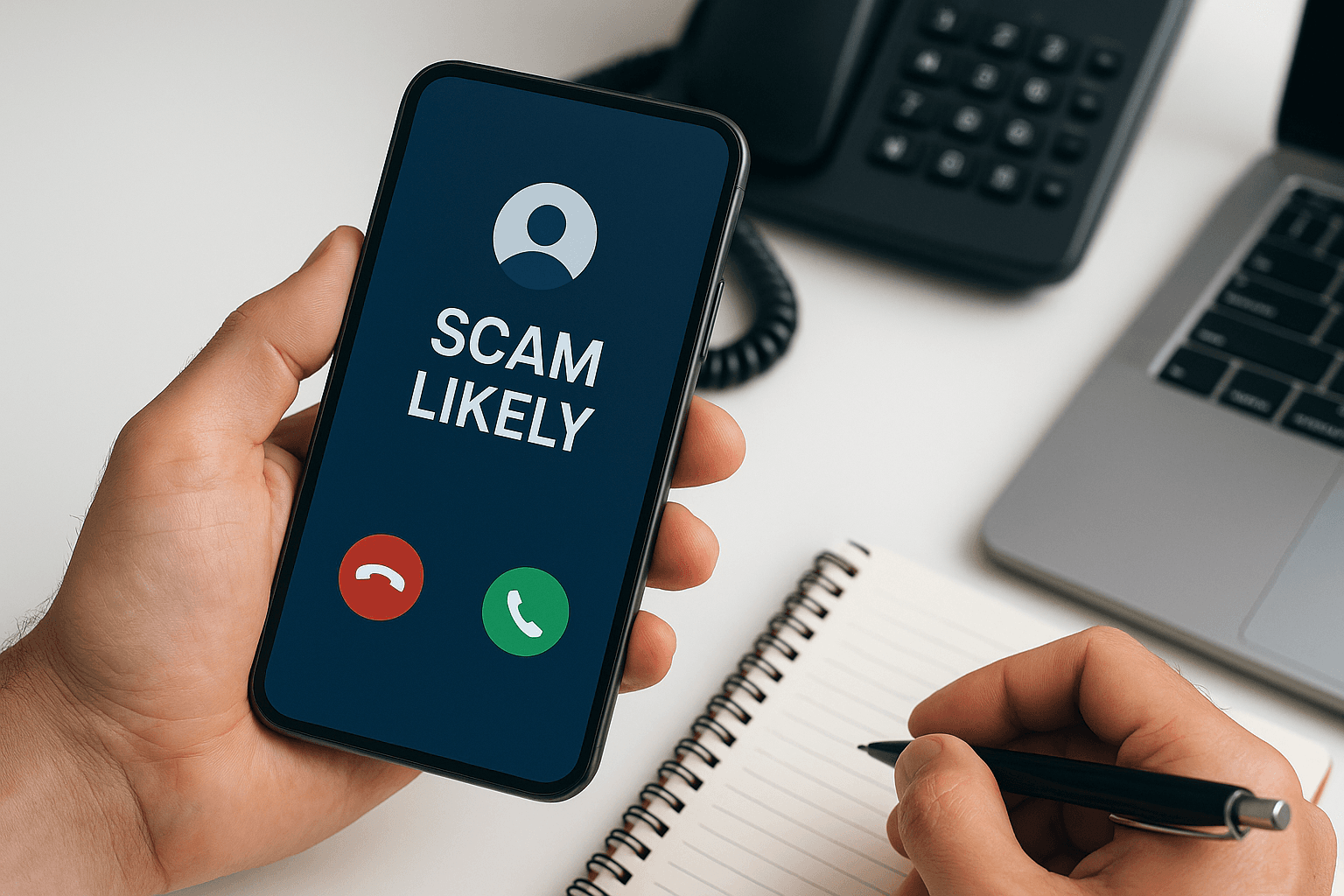
Before reporting unwanted calls, you need to understand what you’re dealing with. Scam calls involve actual fraud attempts where callers impersonate government agencies, tech companies, or financial institutions to steal money or personal information. These might be live conversations or pre-recorded messages designed to trick you into providing sensitive data or making payments.
Robocalls are automated calls that deliver pre-recorded messages. While many robocalls are legitimate—such as pharmacy reminders or school notifications—illegal robocalls violate telemarketing rules by calling numbers on the Do Not Call Registry without permission or using spoofed caller ID information. Some robocalls are scams, but not all scams use robocall technology, which is why understanding this distinction helps you file more accurate reports.
Filing a Complaint with the Federal Trade Commission
The FTC serves as the primary federal agency for consumer protection against fraudulent and unwanted calls. When you report phone scams to the FTC, you contribute to a database that law enforcement agencies use to identify patterns and take legal action against violators.
You can file your complaint online at ReportFraud.ftc.gov, which takes roughly five minutes to complete. The form asks for details about the call, including the date and time, the phone number that appeared on your caller ID, what the caller said, and whether you lost money. If you received a recorded message, note exactly what it said and what action it prompted you to take. The more specific details you provide, the more useful your report becomes for investigators tracking these operations.
Alternatively, you can call the FTC’s reporting line at 1-877-382-4357 (TTY: 1-866-653-4261) if you prefer speaking with someone or lack internet access. The line operates Monday through Friday from 9 a.m. to 8 p.m. Eastern Time. Keep records of any relevant information before you call, including phone numbers, names the scammers used, and any reference numbers they provided.
Reporting to the Federal Communications Commission
While the FTC handles consumer fraud complaints, the FCC enforces regulations about how companies can use telephone networks. The FCC specifically addresses illegal robocalls and caller ID spoofing violations, making them another essential reporting destination.
Submit your complaint through the FCC’s Consumer Complaint Center at consumercomplaints.fcc.gov. Select “Phone” as your issue type, then choose the specific category that matches your experience—options include “Robocalls,” “Telemarketing,” or “Caller ID Spoofing.” The form requires information about your phone number, the caller’s number if available, the date and time of the call, and a description of what happened.
The FCC takes complaints seriously and uses them to identify bad actors for enforcement proceedings. When multiple consumers report the same numbers or similar scam tactics, the agency can levy substantial fines and pursue legal action. Your individual report might seem small, but it becomes powerful when combined with thousands of others experiencing the same fraud.
Using Your Mobile Carrier’s Reporting System
Your wireless carrier maintains systems to identify and block spam calls, and they need your input to improve their filtering algorithms. All major U.S. carriers support forwarding suspicious calls to 7726 (which spells “SPAM” on your keypad). This universal shortcode works across AT&T, Verizon, T-Mobile, and most other carriers.
After you receive a suspicious call, forward the offending phone number to 7726 as a text message. Your carrier will typically respond asking for additional information, then add that number to their spam detection systems. This process helps your carrier protect not just you but all their customers from similar calls. Some carriers also offer dedicated apps with built-in reporting features—AT&T Call Protect, Verizon Call Filter, and T-Mobile Scam Shield all include one-tap reporting options that streamline the process.
Contacting Your State Attorney General
State attorneys general enforce consumer protection laws within their jurisdictions and often pursue cases that federal agencies don’t prioritize. Each state maintains a consumer protection division that accepts complaints about scam calls, and these offices sometimes achieve results faster than federal agencies because they focus on localized fraud operations.
Find your state attorney general’s office through the National Association of Attorneys General website, which maintains a directory of all state offices and their contact information. Most states offer online complaint forms similar to federal agencies, though some still accept complaints by mail or phone. State enforcement becomes particularly important when scammers target residents of specific states or operate within state borders, where state authorities have stronger jurisdiction.
Registering with the National Do Not Call Registry
While technically not a reporting mechanism, registering your number with the National Do Not Call Registry at DoNotCall.gov reduces legitimate telemarketing calls and makes it easier to identify actual scam calls. Legitimate businesses must scrub their call lists against this registry, so any marketing calls you receive after registration (allowing 31 days for processing) are likely either scams or violations worth reporting.
Registration is permanent and covers both landlines and mobile phones. You can register up to three phone numbers at once through the website, or call 1-888-382-1222 from the phone you want to register. Once registered, companies have 31 days to stop calling you. Political calls, charitable organizations, and companies you’ve done business with in the past 18 months are exempt, but any other calls become reportable violations.
What Information to Collect Before Reporting
The effectiveness of your report depends on the details you provide. Before you file any complaint, gather as much information as possible about the call. Write down the exact phone number that appeared on your caller ID, even if you suspect it’s spoofed. Note the date and time of the call, as patterns across specific times help investigators track call centers.
Record exactly what the caller said, including any names, company names, or badge numbers they provided. Scammers often impersonate specific organizations, and these details help authorities determine if they’re dealing with one large operation or multiple smaller ones. If the caller asked you to take specific actions—wire money, purchase gift cards, provide Social Security numbers, or download software—document these requests precisely.
If you have voicemail recordings of the calls, save them. Some reporting systems allow you to upload audio files, which provide undeniable evidence of the scam. Screenshots of text messages or caller ID displays also strengthen your report. Save any callback numbers the scammers provided, as these sometimes lead to the actual operation even when the original caller ID was spoofed.
Following Up on Your Reports
After filing reports, you’ll typically receive confirmation numbers or reference IDs. Save these in a dedicated folder, either physical or digital, along with all documentation related to the scam calls. While agencies rarely provide individual updates on every complaint, your reference numbers become important if you need to follow up or if the situation escalates.
If you lost money to a scam, you might also need to file reports with local police and your financial institutions. Banks and credit card companies have fraud departments that can sometimes reverse charges or freeze accounts before scammers withdraw funds. Additionally, if the scam involved identity theft elements—such as providing your Social Security number or bank account details—file a report with the FTC’s identity theft recovery program at IdentityTheft.gov, which provides personalized recovery plans.
Check back with the FTC’s scam alerts and FCC’s consumer alerts periodically to see if your reported scam matches larger enforcement actions. When agencies bring cases against major scam operations, they often post information about potential remedies or class action opportunities for affected consumers. Your early report might contribute to eventual restitution or compensation programs.
Additional Steps to Protect Yourself
Beyond reporting, take proactive measures to reduce your vulnerability to future scam calls. Enable call blocking features on your smartphone or through your carrier’s apps. Both iPhone and Android devices offer settings to silence unknown callers, sending calls from numbers not in your contacts straight to voicemail. This drastically reduces interruptions from scam calls while ensuring legitimate contacts can still reach you.
Consider third-party call blocking apps like Nomorobo, RoboKiller, or Hiya, which maintain constantly updated databases of known scam numbers. These services typically charge modest monthly fees but provide sophisticated filtering that adapts to emerging threats faster than carrier-provided tools. They also offer additional reporting features that feed directly into their spam detection systems.
Never engage with suspicious callers or press any numbers they suggest, even if they claim pressing a number will remove you from their list. Interacting with the call often confirms your number is active and monitored by a real person, making you a more valuable target. Simply hang up and report the call through proper channels instead.
Frequently Asked Questions
Will reporting scam calls actually stop them from calling me?
Reporting individual calls won’t immediately stop scammers from contacting you, as they typically operate illegally and ignore regulations. However, your reports contribute to larger enforcement actions that can shut down entire scam operations. In the meantime, use call blocking tools and avoid answering unknown numbers to reduce your exposure. The real value of reporting is collective—when thousands of people report the same numbers or tactics, regulators gain the evidence needed to take meaningful action.
Can I report calls from unknown or blocked numbers?
Yes, you can and should report calls even when the caller ID shows “Unknown,” “Blocked,” or “Private.” While these reports provide less actionable information for investigators, they still help establish patterns of when and how scammers operate. Include any details about what the caller said and what they asked you to do. If the caller provided a callback number, that information becomes especially valuable even if their initial call came from a blocked number.
How long does it take for authorities to act on my report?
Individual reports rarely trigger immediate action, as regulators need to identify patterns across many complaints before pursuing enforcement. Building a case against scam operations typically takes months or even years. The FTC and FCC analyze complaint data to identify the worst offenders and those causing the most widespread harm. Your report enters a database that investigators query when building cases, so while you might not see immediate results, your contribution matters for long-term enforcement efforts.
Should I report legitimate companies that call too frequently?
If you’re registered on the Do Not Call Registry and a legitimate company continues calling you for marketing purposes, that’s a violation worth reporting. However, companies you’ve done business with recently, political organizations, charities, and survey companies are exempt from Do Not Call rules. For legitimate but annoying calls from these exempt categories, contact the organization directly and request removal from their calling lists rather than filing regulatory complaints.
What happens if I accidentally answered a scam call and provided some information?
Act quickly to minimize damage. If you provided financial information, contact your bank or credit card company immediately to freeze accounts or reverse charges. If you gave out your Social Security number or other identity information, file an identity theft report with the FTC and consider placing fraud alerts on your credit reports. Still file reports about the scam call with the FTC and FCC, noting that you provided information—this helps authorities understand the full scope of the scam’s impact.
Do I need to report every single robocall I receive?
While you’re not required to report every call, reporting helps build the case against scammers. Focus on reporting calls that are clearly fraudulent, calls requesting personal or financial information, and calls that continue after you’ve asked to be removed from their lists. If you receive multiple calls from the same number or about the same scam, one detailed report is more valuable than multiple sparse reports. Balance the time investment with the severity of the calls—blatant fraud attempts deserve immediate reports, while minor annoyances might not warrant the effort.
Are there penalties for companies and individuals making illegal scam calls?
Yes, penalties can be substantial. The FCC can fine violators up to thousands of dollars per illegal call, with total penalties reaching millions for large-scale operations. The FTC pursues civil actions that can result in court orders shutting down operations, freezing assets, and requiring restitution to victims. Some cases escalate to criminal prosecution when fraud is involved, leading to imprisonment for scam operators. These penalties only happen when regulators have sufficient evidence, which is why your reports are essential for building enforceable cases.
Related Articles
 How To
How to Block Spam Calls on iPhone and Android
TL;DR Blocking spam calls on your smartphone involves using built-in features like Silence Unknown Callers on iPhone or Call Screen on Android, along with carrier-provided spam protection services. Both platforms let you manually block numbers, report spam, and download third-party call-blocking apps for enhanced protection. The most effective approach combines multiple methods: enabling system-level spam […]
 How To
How to Check a Suspicious Text Message Number
TL;DR To check a suspicious text message number, start by conducting a reverse phone lookup using services like WhitePages or Truecaller, search the number online to see if others have reported it as spam, and verify any claims independently by contacting the supposed sender through official channels. Never click links or share personal information from […]
 How To
How to Verify a Call Claiming to Be From a Bank
TL;DR Never trust caller ID alone when someone claims to be from your bank, as scammers easily spoof legitimate numbers. Hang up and call your bank directly using the number on your card, statement, or official website to verify any request for personal information or urgent action. Real banks rarely call demanding immediate payments, passwords, […]