
How to Check Whether a Caller ID Has Been Spoofed

By Razib
TL;DR
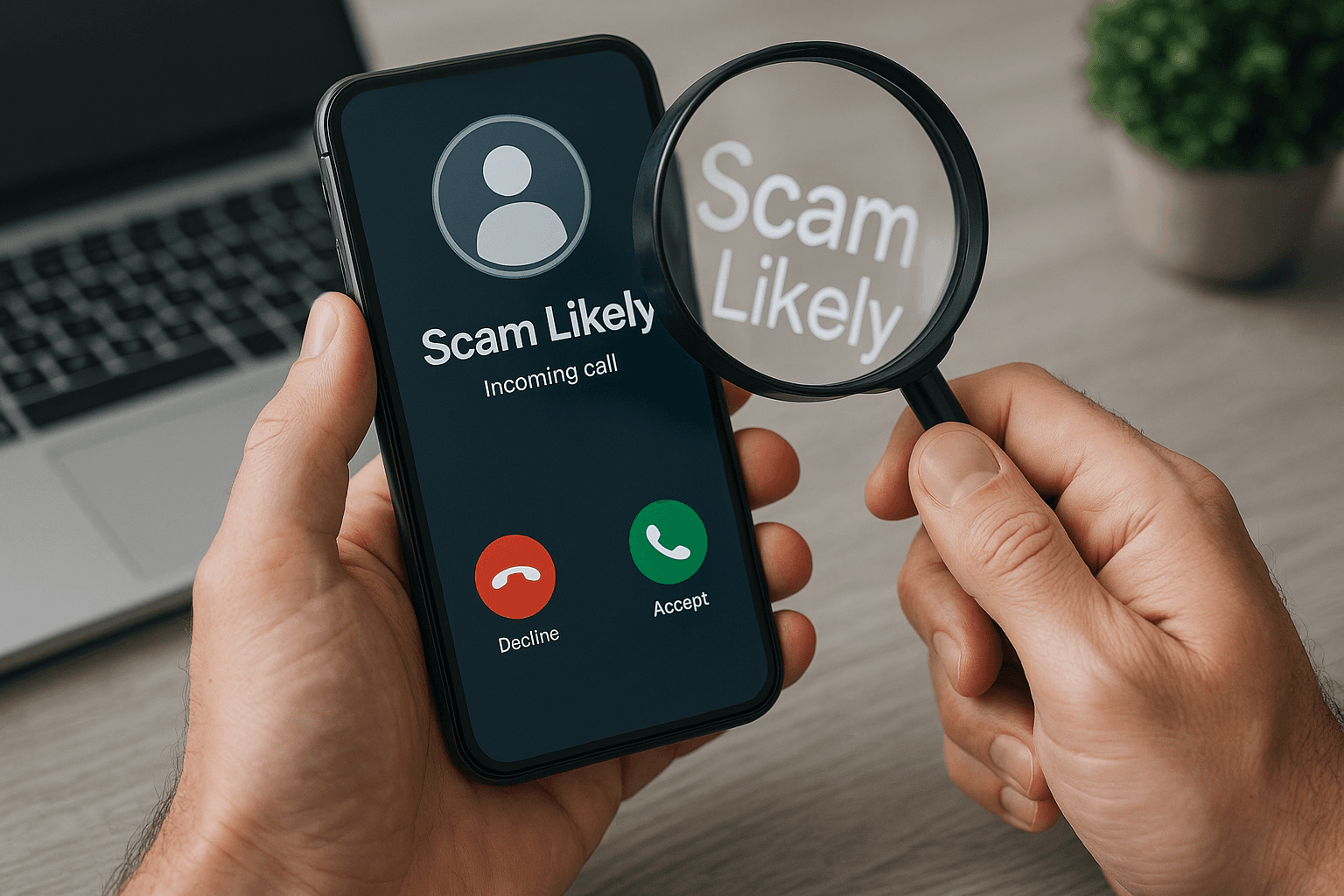
Caller ID spoofing occurs when scammers deliberately falsify the phone number displayed on your screen to disguise their identity or trick you into answering. You can detect spoofed calls by verifying mismatches between the displayed number and the caller’s actual identity, using reverse phone lookup services, checking for suspicious behavior patterns like urgent requests for personal information, and leveraging call authentication technologies like STIR/SHAKEN that many carriers now implement. The most reliable protection combines skepticism toward unexpected calls, independent verification of caller claims through official channels, and tools like call-blocking apps.
Understanding Caller ID Spoofing
Caller ID spoofing has become one of the most prevalent tactics used by scammers to bypass your defenses. The technology allows someone to manipulate the information transmitted to your caller ID display, making it appear as though the call originates from a trusted source like a local number, government agency, or legitimate business. This manipulation exploits the way traditional phone networks transmit calling information, which was never designed with robust authentication in mind.
The practice itself isn’t inherently illegal when used for legitimate purposes. Businesses sometimes display a main customer service number rather than showing multiple outbound lines, and law enforcement may spoof numbers during sensitive operations. However, the FCC prohibits caller ID spoofing when done with the intent to defraud, cause harm, or wrongfully obtain something of value. Scammers exploit this technology to increase answer rates by making their calls appear local or trustworthy, then attempt to steal personal information, extort money, or gain access to financial accounts.
Signs That Suggest a Spoofed Number
Several red flags can indicate you’re dealing with a spoofed caller ID. The most obvious occurs when the displayed number doesn’t match the organization the caller claims to represent. If someone says they’re calling from your bank but the number shown isn’t one you recognize from your bank statements or official correspondence, you’re likely experiencing spoofing.
Another clear indicator appears when you receive multiple calls from numbers with your exact area code and prefix, sometimes called “neighbor spoofing.” Scammers use this technique because people are more likely to answer calls that appear local. If you’re suddenly getting several calls per day from numbers that look remarkably similar to your own, spoofing is almost certainly involved.
Pay attention to the caller’s behavior once you answer. Spoofed calls frequently involve high-pressure tactics, urgent demands for immediate action, requests for sensitive information like Social Security numbers or bank account details, and threats of legal action or account suspension. Legitimate organizations rarely operate this way, especially when calling unexpectedly.
Verification Methods to Identify Spoofed Calls
The most straightforward verification method involves independently confirming the caller’s identity. Never trust the number displayed on your screen as proof of legitimacy. Instead, hang up and call the organization back using a number you find through official channels like the company’s website, your account statements, or the back of your credit card. This simple step eliminates the spoofing advantage because you’re initiating contact through verified channels.
Reverse phone lookup services can help identify suspicious numbers, though their effectiveness varies. Many legitimate services maintain databases of known scam numbers reported by users. When you receive a questionable call, entering the number into these services may reveal whether others have reported it as fraudulent. However, keep in mind that spoofed numbers often change rapidly, and the displayed number might actually belong to an innocent person whose number is being misused.
Ask specific questions that only the legitimate organization would know. If someone claims to represent your bank, ask them to verify recent transactions, your account balance, or other details that appear on your statements. Real representatives can access this information through their systems, while scammers cannot. Their response to these verification requests often reveals their true nature.
Technology-Based Detection Tools
Modern phone networks increasingly deploy authentication protocols designed to combat spoofing. The STIR/SHAKEN framework represents the telecommunications industry’s most significant effort to verify caller ID authenticity. This technology allows phone carriers to digitally sign calls, confirming that the calling number hasn’t been manipulated. Major carriers have implemented these protocols, and compatible phones may display verification indicators showing whether a call’s origin has been authenticated.
Call-blocking applications provide another layer of protection. Apps like Nomorobo, Truecaller, and Hiya maintain crowdsourced databases of suspicious numbers and use algorithms to identify potential scam calls. These applications can automatically flag or block calls based on spoofing patterns and user reports. While no app catches every spoofed call, they significantly reduce the volume of fraudulent calls that reach you.
Your carrier’s built-in spam protection services offer varying levels of effectiveness. Most major providers now include some form of spam identification that labels suspicious calls before you answer. Some carriers offer enhanced protection as a premium service, though basic features are often included at no charge. Check your carrier’s offerings and enable any available call-screening features.
What to Do When You Suspect Spoofing
If you answer a call and suspect spoofing, terminate the conversation immediately without providing any personal information. Scammers often use social engineering to extract details piece by piece, so the safest approach is simply ending the call. Don’t press numbers if prompted, as this can confirm your number is active and lead to more calls.
Document the details while they’re fresh in your memory. Note the displayed number, the date and time, what the caller claimed, and any specific requests made. This information becomes valuable if you need to report the incident or if the scam attempt is part of a larger pattern targeting your area.
Report suspected spoofing to the appropriate authorities. The Federal Trade Commission accepts complaints about unwanted calls through their online portal, which helps track scam trends and enforcement actions. You can also report violations to the FCC and your state attorney general’s office. While individual reports may not result in immediate action, aggregate data helps authorities identify and pursue scammers.
Consider adding the number to your phone’s block list, though recognize that spoofed numbers change frequently and may actually belong to innocent parties. If you receive multiple spoofed calls from different numbers, blocking individual numbers becomes less effective than using comprehensive call-screening tools.
Prevention Strategies Beyond Detection
The most effective protection against caller ID spoofing combines detection with prevention. Register your number on the National Do Not Call Registry, which won’t stop scammers but reduces legitimate telemarketing calls, making suspicious calls easier to spot. Understanding that registration won’t eliminate illegal calls helps set realistic expectations.
Limit how widely you share your phone number. Every time you provide your number to a website, service, or business, you increase the chances it will end up on lists that scammers acquire. When possible, use alternative contact methods or separate numbers for non-essential services.
Educate yourself about current scam tactics. Scammers constantly evolve their approaches, and awareness of the latest schemes helps you recognize them quickly. Government agencies and consumer protection organizations regularly publish warnings about emerging threats, and staying informed makes you a harder target.
Trust your instincts when something feels wrong. If a call seems suspicious despite appearing legitimate on caller ID, that discomfort often reflects subtle cues your subconscious has detected. Legitimate organizations understand security concerns and won’t object to you verifying their identity through independent channels.
Frequently Asked Questions
Can you trace a spoofed phone number back to the actual caller?
Tracing spoofed calls is extremely difficult for individuals and often requires law enforcement resources. While your phone carrier can sometimes track the actual origin of a call through technical analysis of network data, this information isn’t readily accessible to consumers. Law enforcement agencies can request this data during investigations, but the international nature of many spoofing operations and the use of internet-based calling systems often make tracing ineffective. Your best protection remains prevention and verification rather than attempting to identify the true caller.
Why do spoofed calls sometimes show my own phone number?
Scammers occasionally spoof your own number back to you as a psychological tactic. This shocking display often prompts curiosity that leads people to answer. The technique exploits caller ID systems’ lack of authentication, allowing scammers to input any number they choose, including yours. If you see your own number calling, never answer, as no legitimate reason exists for you to receive a call from yourself. This represents one of the clearest indicators of spoofing you’ll encounter.
Are calls from local area codes more likely to be spoofed?
Local-appearing numbers are actually more likely to involve spoofing because scammers specifically use “neighbor spoofing” to increase answer rates. Research shows people answer calls that appear local significantly more often than calls from unfamiliar area codes. Scammers exploit this tendency by generating numbers that match your area code and sometimes your prefix, making them appear as though they’re from your community. If you notice a pattern of calls from similar-looking local numbers, spoofing is probably involved.
Does answering a spoofed call put my phone at risk?
Simply answering a spoofed call doesn’t directly compromise your phone’s security or install malware. The primary risk lies in what happens during the conversation if you provide personal information, follow instructions to download software, or share account access details. However, answering does confirm to scammers that your number is active, potentially leading to more frequent targeting. The safest approach involves letting unknown calls go to voicemail and only returning calls to verified numbers.
Can businesses legally use caller ID spoofing?
Yes, businesses can legally use caller ID spoofing for legitimate purposes without intent to defraud. Many companies display a central customer service number rather than showing individual employee extensions or departmental lines, which technically constitutes spoofing. Medical practices may display their main number when doctors call patients from personal phones. The key legal distinction involves intent—spoofing becomes illegal when used to deceive someone for purposes of fraud or obtaining something of value through misrepresentation.
How effective is the STIR/SHAKEN technology at preventing spoofed calls?
STIR/SHAKEN provides meaningful improvement but isn’t a complete solution to caller ID spoofing. The technology allows carriers to verify that calling numbers haven’t been manipulated along the network path, and calls that pass authentication are less likely to be fraudulent. However, implementation remains incomplete across all networks, particularly for international calls, and scammers continue finding workarounds. The system works best as one component of a broader anti-spoofing strategy that includes call-blocking apps, user vigilance, and carrier-level filtering.
What should I do if my phone number is being spoofed by scammers?
Unfortunately, you have limited options if scammers are spoofing your number to call others. You might receive angry callbacks from people who see your number on their caller ID, but you’re not responsible for the scammers’ actions. Explain calmly that your number has been spoofed and you didn’t make the calls. Consider recording a voicemail message explaining the situation if you receive many such callbacks. Report the spoofing to your carrier and the FCC, though stopping the practice often requires the scammers to move on to different numbers on their own, which typically happens after a short period.
Related Articles
 How To
How Reverse Phone Lookup Assists in Background Checks
When you receive a call from an unfamiliar number, or when you’re vetting a new employee, tenant, or business partner, a reverse phone lookup can reveal critical information that standard background checks might miss. These tools have evolved from simple directory services into comprehensive information databases that connect phone numbers to detailed owner profiles. A […]
 How To
How to Identify Spam Calls Using Reverse Lookup
Your phone buzzes with an unfamiliar number. Should you answer? That split-second decision could mean the difference between catching an important call and falling victim to a sophisticated scam. Americans received over 55 billion robocalls in 2024 alone—that’s roughly 168 calls per person annually. Reverse phone lookup gives you the power to unmask these mystery […]
 How To
Find the Location of a Lost Phone Using Reverse Lookup
You just realized your phone is missing. That sinking feeling hits—where did you leave it? Or maybe someone’s been calling from an unknown number, and you need to know who and where they are. Reverse phone lookup isn’t just for finding out who called you; it’s become a practical tool for locating lost devices and […]