
How to Identify a One-Ring Phone Scam

By Razib
TL;DR
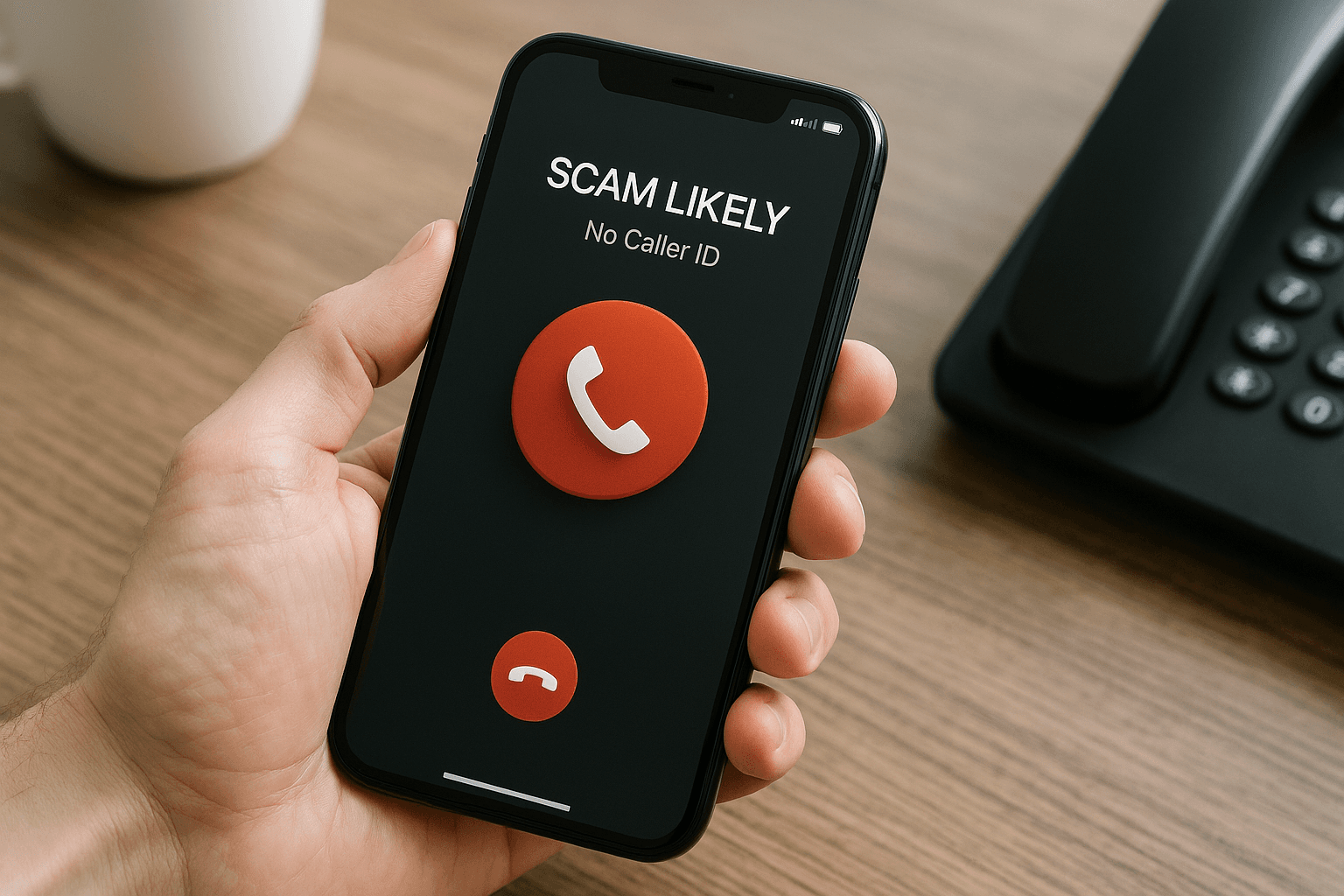
A one-ring phone scam occurs when scammers call your phone and hang up after one ring, hoping you’ll call back a premium-rate number that charges high fees. To identify these scams, watch for calls from unfamiliar international area codes, calls that disconnect after a single ring, and numbers you don’t recognize that appear in the middle of the night. Never return calls to unknown numbers, and verify suspicious numbers through reverse lookup services before engaging.
Understanding the One-Ring Phone Scam Mechanism
One-ring scams, also known as Wangiri fraud (from the Japanese word meaning “one ring and cut”), represent a simple yet effective scheme that exploits human curiosity and the instinct to return missed calls. Scammers use automated systems to call thousands of phone numbers, disconnecting after just one ring. The goal is to generate a list of active numbers and entice recipients to call back.
When you return the call, you’re connected to a premium-rate phone number that charges exorbitant per-minute fees. These charges appear on your phone bill, and the scammers receive a portion of the revenue. Sometimes the call connects to an automated message designed to keep you on the line as long as possible, maximizing the fees you incur. In other variations, the line may simply play hold music or remain silent while charges accumulate.
The Federal Communications Commission has documented these scams extensively, noting that they frequently use international numbers from countries in the Caribbean, Eastern Europe, and West Africa where premium-rate regulations differ from U.S. standards.
Recognizable Patterns of One-Ring Scam Calls
Identifying these scams requires recognizing specific patterns that distinguish them from legitimate missed calls. The most obvious indicator is the single ring itself. Unlike normal callers who let the phone ring several times before hanging up or leaving a voicemail, scammers intentionally disconnect after one ring to create urgency without triggering your voicemail system.
The timing of these calls often follows predictable patterns. Many occur during early morning hours or late at night when you’re unlikely to answer but will notice the missed call later. This timing serves dual purposes: it reduces the chance of someone actually answering (which would cost the scammer money) while ensuring you’ll see the notification and potentially feel compelled to investigate who called at such an unusual hour.
The area codes and country codes provide critical clues. Common sources for these scams include numbers beginning with +375 (Belarus), +371 (Latvia), +381 (Serbia), and various Caribbean nations that share area codes similar to U.S. numbers. Caribbean locations are particularly problematic because numbers from places like Antigua (+1-268), Grenada (+1-473), and Jamaica (+1-876) appear as domestic calls to many Americans, lowering suspicion.
Red Flags That Signal a Scam
Several warning signs should immediately raise your suspicion. If you receive a call from a number you’ve never contacted before, especially one with an unfamiliar area code, exercise caution. Legitimate callers typically leave voicemails, while scammers avoid this because voicemail systems would expose their operation. If your missed call notification shows no voicemail, consider it suspicious.
Multiple calls in short succession from different but similar numbers indicate an automated dialing system at work. Scammers often use number ranges that differ by only a few digits, suggesting a coordinated campaign rather than an individual trying to reach you. Additionally, if the number appears partially blocked, shows up as “unknown,” or displays formatting inconsistent with standard phone numbers, these irregularities suggest fraudulent intent.
Geographic Indicators and Number Formatting
Understanding number formats helps identify potential scams before you respond. International numbers typically begin with a plus sign followed by a country code, such as +44 for the United Kingdom or +91 for India. However, not all international numbers are scams, so context matters. An unexpected call from a country where you have no contacts or business relationships warrants skepticism.
Certain regions have become hotspots for one-ring operations. Moldova (+373), Mauritania (+222), and various Pacific island nations frequently appear in scam reports. The Better Business Bureau has tracked complaints about premium-rate scams and notes that some area codes within the North American Numbering Plan, particularly those in the Caribbean, are disproportionately associated with these schemes.
Domestic area codes can also serve as scam vectors. Numbers from area codes you don’t recognize, especially those that don’t correspond to major metropolitan areas or places where you have connections, deserve scrutiny. While legitimate telemarketing and robocalls exist, the single-ring pattern distinguishes scams from these annoying but legal activities.
Verification Steps Before Returning Calls
Before returning any suspicious call, take proactive steps to verify its legitimacy. Start by entering the number into a search engine with quotation marks around it to find exact matches. This often reveals whether others have reported the number as fraudulent. Numerous websites and forums document known scam numbers, providing real-time information about emerging threats.
Reverse phone lookup services offer another layer of verification. While some require payment, many free options provide basic information about a number’s origin and whether it’s associated with legitimate businesses. These services can identify whether a number belongs to a premium-rate service or has been flagged for suspicious activity.
Contact your phone carrier if you’re uncertain about charges. Representatives can explain whether a particular area code or country code would incur premium rates and often have information about active scam campaigns. Many carriers also offer call-blocking services specifically designed to filter out known scam numbers.
Protective Measures and Best Practices
Prevention requires both technological tools and behavioral discipline. Enable your phone’s built-in spam filtering features, which most modern smartphones include. These systems use databases of reported scam numbers to automatically block or flag suspicious calls. While not perfect, they provide a valuable first line of defense.
Third-party call-blocking apps offer enhanced protection. These applications maintain constantly updated databases of scam numbers and can block calls before your phone rings. Some apps also provide community-based reporting, allowing users to flag suspicious numbers and warn others in real time.
Adopt a simple personal policy: never return calls to numbers you don’t recognize unless they leave a voicemail explaining who they are and why they’re calling. Legitimate callers will always identify themselves and provide contact information. This single habit eliminates most one-ring scam risks immediately.
Register your number with the National Do Not Call Registry, which won’t stop scammers operating from overseas but reduces the volume of unwanted calls overall. This makes it easier to spot truly suspicious calls among less frequent legitimate telemarketing.
What to Do If You’ve Already Fallen Victim
If you’ve already returned a call and suspect you’ve been scammed, act quickly to minimize damage. Contact your phone carrier immediately to dispute any premium-rate charges. Many carriers will remove these fees if you report them promptly, especially if they can verify the number is associated with known scams.
File a complaint with the Federal Trade Commission, which tracks fraud patterns and uses complaint data to identify and pursue scammers. While individual complaints may not result in immediate action, aggregate data helps authorities recognize trends and allocate enforcement resources.
Monitor your phone bills carefully for several months after the incident. Some scam operations bill in small increments hoping victims won’t notice, while others may use your confirmed active number for additional schemes. Document any suspicious charges and report them immediately.
Consider changing your phone number if you continue receiving repeated scam calls after an incident. While inconvenient, this may be necessary if your number has been widely circulated among scammer networks as a responsive target.
Frequently Asked Questions
Can answering a one-ring call result in charges even if I hang up immediately?
No, simply answering a call doesn’t typically result in charges. The scam works when you call back the number, connecting to a premium-rate line that charges per minute. However, international calls you initiate will incur standard international calling rates from your carrier, which can be expensive even without the premium-rate scam component. The real financial danger comes from staying on the line once you’ve called back, as this allows both premium-rate charges and extended international calling fees to accumulate.
Are one-ring scams illegal, and do authorities prosecute them?
Yes, these scams are illegal under various federal fraud and telecommunications laws. However, prosecution is complicated because scammers typically operate from overseas jurisdictions with limited cooperation with U.S. law enforcement. The international nature of these schemes makes it difficult to identify and apprehend perpetrators. Regulatory agencies focus more on educating consumers, pressuring phone carriers to implement better protections, and occasionally pursuing high-profile cases that generate significant losses.
How do scammers profit from one-ring scams?
Scammers profit through revenue-sharing agreements with premium-rate phone services. When you call back a premium-rate number, the service charges exceptionally high per-minute fees, often several dollars per minute. The scammer receives a percentage of these charges, which appear on your phone bill. With automated systems calling thousands of numbers simultaneously, even a small response rate generates substantial profits with minimal effort or investment from the scammer.
Will blocking the number prevent future scam attempts?
Blocking a specific number helps with that particular scammer, but it won’t prevent all one-ring attempts. Scammers use automated systems that rotate through numerous phone numbers, so blocking one does little to stop the broader operation. However, blocking remains worthwhile as part of a comprehensive defense strategy. Combined with spam-filtering apps and cautious behavior regarding unknown calls, blocking contributes to reducing your overall exposure to these schemes.
Do one-ring scams only target mobile phones?
While mobile phones are the primary target because of their portability and the likelihood that people will notice missed calls, landlines can also receive one-ring scam attempts. However, landline users are generally less likely to notice a single missed ring and less accustomed to immediately returning all missed calls, making them less profitable targets. Scammers prefer mobile numbers because smartphone notifications create stronger psychological pressure to investigate missed calls.
Can my carrier prevent these calls from reaching me entirely?
Phone carriers have implemented various protections, including blocking known scam numbers and flagging suspicious calls, but they cannot prevent all one-ring attempts. The constantly changing numbers and international routing make complete prevention impossible without blocking all international calls, which would affect legitimate communications. Most carriers offer opt-in services that provide stronger filtering, but these may occasionally block wanted calls. The most effective protection combines carrier-level filtering with personal vigilance and third-party blocking apps.
What should I tell family members who are less familiar with phone scams?
Educate family members, especially older adults and young people who may be less aware of these schemes, using simple guidelines: never call back unfamiliar numbers, always wait for voicemail, and verify numbers through online searches before responding. Explain that legitimate callers will identify themselves and that curiosity about a missed call isn’t worth the financial risk. Consider helping them install call-blocking apps on their phones and enabling built-in spam filters, as these technological protections complement behavioral awareness to provide comprehensive defense against one-ring and other phone scams.
Related Articles
 How To
How to Check Whether a Caller ID Has Been Spoofed
TL;DR Caller ID spoofing occurs when scammers deliberately falsify the phone number displayed on your screen to disguise their identity or trick you into answering. You can detect spoofed calls by verifying mismatches between the displayed number and the caller’s actual identity, using reverse phone lookup services, checking for suspicious behavior patterns like urgent requests […]
 How To
How Reverse Phone Lookup Assists in Background Checks
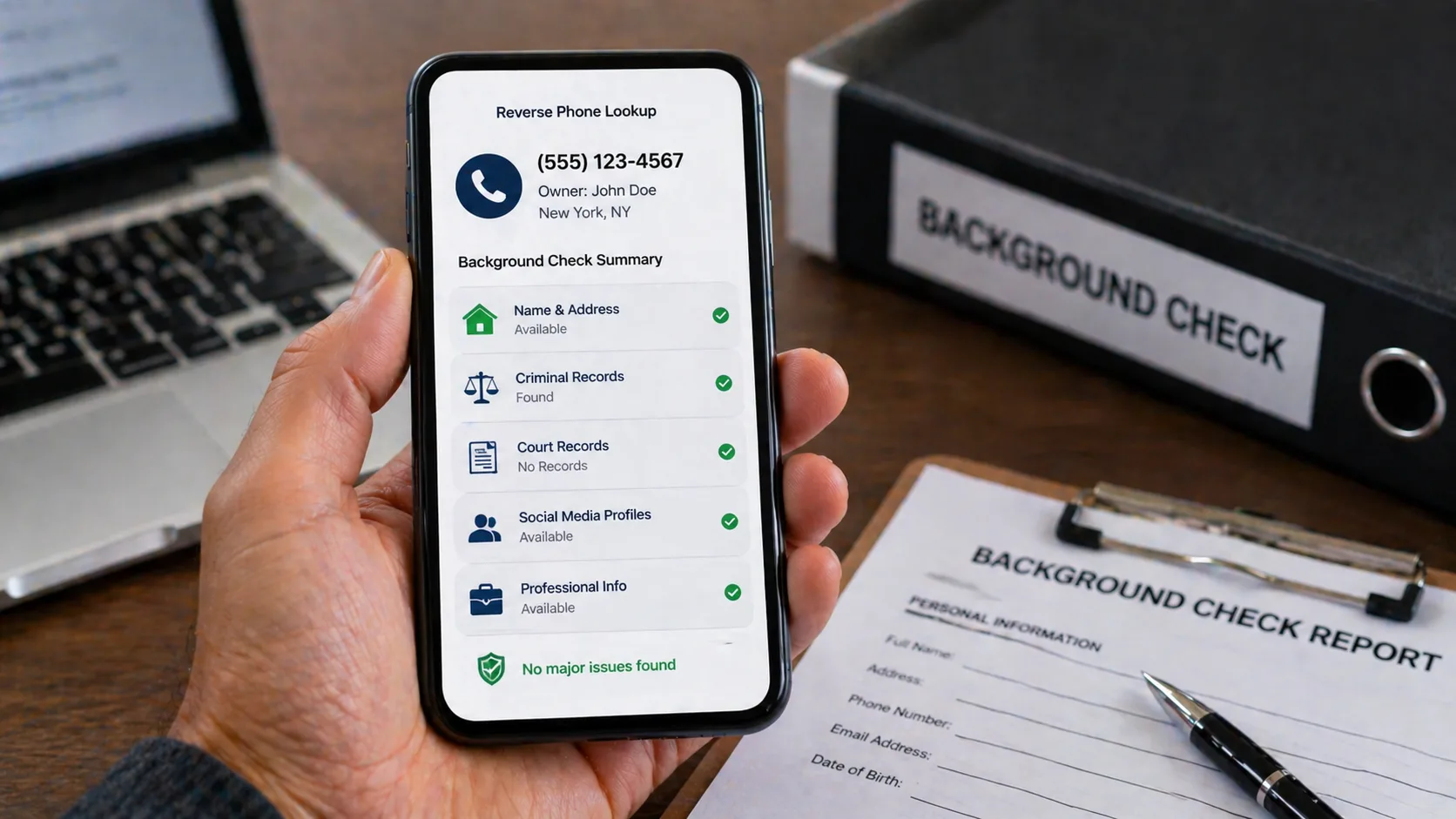
When you receive a call from an unfamiliar number, or when you’re vetting a new employee, tenant, or business partner, a reverse phone lookup can reveal critical information that standard background checks might miss. These tools have evolved from simple directory services into comprehensive information databases that connect phone numbers to detailed owner profiles. A […]
 How To
How to Identify Spam Calls Using Reverse Lookup
Your phone buzzes with an unfamiliar number. Should you answer? That split-second decision could mean the difference between catching an important call and falling victim to a sophisticated scam. Americans received over 55 billion robocalls in 2024 alone—that’s roughly 168 calls per person annually. Reverse phone lookup gives you the power to unmask these mystery […]