
How to Verify a Call Claiming to Be From a Bank

By Razib
TL;DR
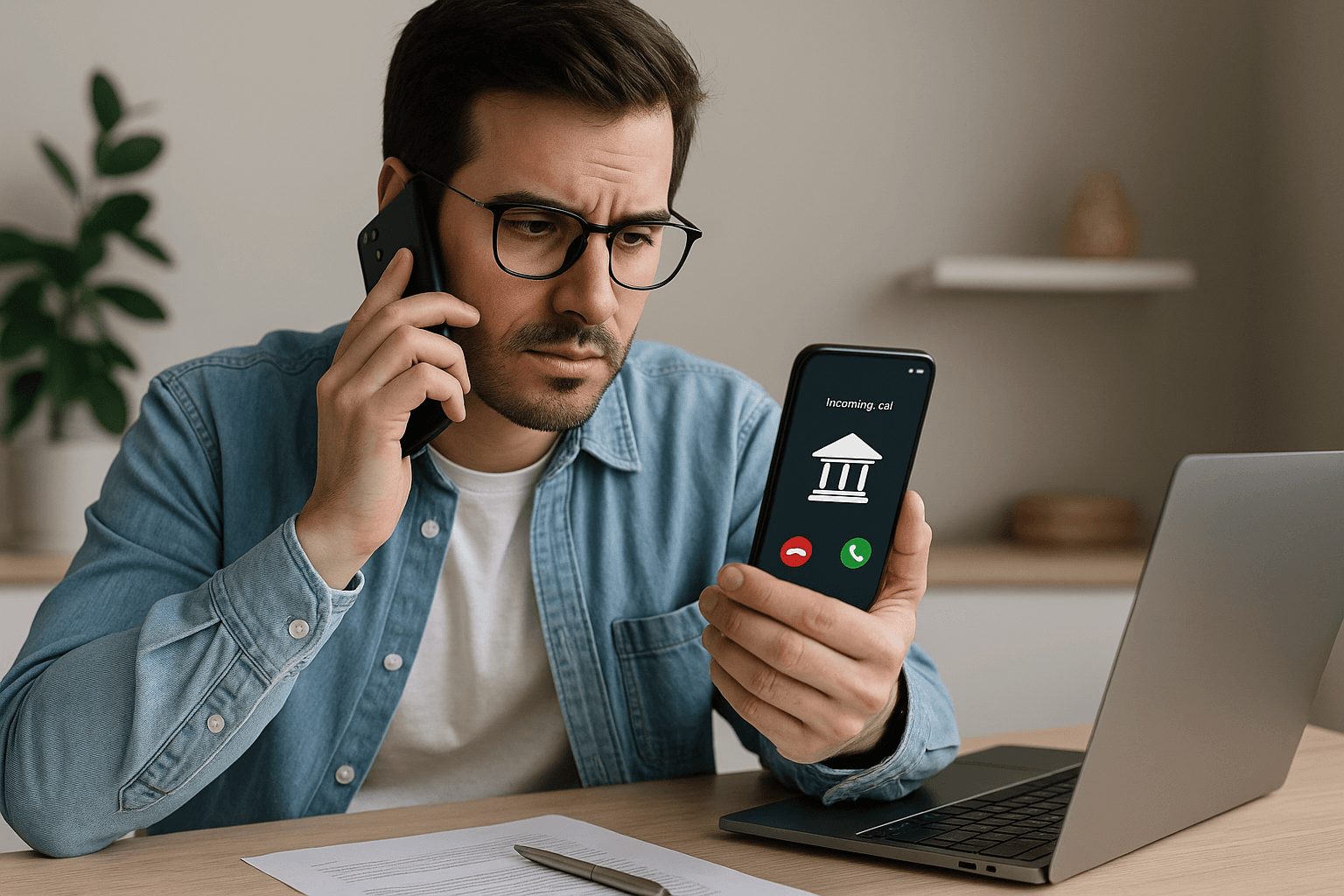
Never trust caller ID alone when someone claims to be from your bank, as scammers easily spoof legitimate numbers. Hang up and call your bank directly using the number on your card, statement, or official website to verify any request for personal information or urgent action. Real banks rarely call demanding immediate payments, passwords, or account transfers, and they’ll never pressure you to stay on the line or move money to “protect” your account.
Understanding Why Bank Impersonation Calls Are So Convincing
Bank impersonation scams have become remarkably sophisticated. Criminals use technology to make their calls appear legitimate, displaying your actual bank’s name and phone number on your caller ID through a technique called spoofing. They research your personal information from data breaches, social media, and public records, then use these details to sound credible and catch you off-guard. Some scammers even know your account balance, recent transactions, or the last four digits of your account number, which they’ve obtained through previous breaches or phishing attempts.
These fraudsters create urgency to bypass your natural skepticism. They might claim your account has been compromised, suspicious charges are pending, or your debit card needs immediate replacement. By triggering fear or concern, they hope you’ll act quickly without thinking critically about the situation. The more panicked you feel, the less likely you are to question their legitimacy or follow proper verification procedures.
Immediate Steps When You Receive a Suspicious Call
When someone claiming to be from your bank calls, resist the impulse to answer their questions immediately. Legitimate bank representatives understand security concerns and won’t be offended if you want to verify their identity. Your first action should be to stay calm and recognize that real financial institutions have established procedures that don’t require split-second decisions over the phone.
Tell the caller you’ll contact the bank directly to discuss the matter, then end the call. Don’t use any callback number they provide, even if they insist it’s a “direct line” to their department. Scammers sometimes set up forwarding numbers that route back to their operation, creating the illusion you’re calling the bank when you’re actually still connected to the fraud ring. Wait at least a few minutes after hanging up to ensure the line is completely disconnected before making your own call.
Retrieve your bank’s official phone number from a trusted source: your debit or credit card, a recent paper statement, your bank’s mobile app, or by typing their website address directly into your browser. Never search for the number using a search engine while stressed, as scammers create fake websites and pay for ads that appear at the top of search results. Once you’re speaking with a verified bank representative through your initiated call, explain the previous contact and ask whether your account has any legitimate issues requiring attention.
Red Flags That Signal a Scam Call
Certain behaviors and requests during a call reliably indicate fraud. Banks never ask for your full PIN, complete password, or online banking credentials over the phone. They already have secure ways to verify your identity without these sensitive details. If someone requests this information, you’re speaking with a scammer regardless of how legitimate they sound.
High-pressure tactics represent another unmistakable warning sign. Scammers create artificial urgency, claiming you’ll lose access to your funds, face legal action, or have your account frozen unless you act immediately. They may insist you stay on the line continuously, preventing you from thinking clearly or consulting with someone you trust. Real bank fraud departments handle genuine security issues without requiring customers to remain on the phone for extended periods or make immediate irreversible decisions.
Be immediately suspicious of anyone directing you to move money between accounts, purchase gift cards, wire funds, or use cryptocurrency to “protect” your money. According to the FDIC’s consumer guidance, legitimate banks never ask customers to transfer money to “safe” accounts during fraud investigations. They resolve security issues internally without requiring you to handle the money yourself. Similarly, no authentic financial institution accepts gift cards or cryptocurrency as payment for fees, penalties, or security deposits.
Watch for requests to download remote access software like AnyDesk, TeamViewer, or similar applications. Scammers use these programs to take control of your computer or phone, allowing them to access your banking apps, steal credentials, and manipulate what you see on your screen. Banks conduct their legitimate technical support without needing remote access to your personal devices.
Advanced Verification Techniques
Beyond the basic “hang up and call back” method, additional verification layers can protect you. When you call your bank using a verified number, ask the representative about any recent outbound calls from their institution to your phone. They can check their system to see whether anyone legitimately attempted to contact you. If there’s no record of such a call, you’ve confirmed the earlier contact was fraudulent and should file a fraud report.
Enable two-factor authentication and fraud alerts through your bank’s official channels. These security features send you text messages or app notifications about suspicious activity, giving you a reference point when someone calls claiming there’s a problem. If you receive a call about suspicious activity but haven’t received any automated alerts, that discrepancy suggests the call isn’t legitimate.
Establish a verbal password or security phrase with your bank specifically for phone interactions. While not all institutions offer this service, some allow you to create a unique code word that must be exchanged during phone conversations to verify both parties’ authenticity. This simple measure makes impersonation significantly harder for scammers who haven’t obtained this specific piece of information.
What Banks Actually Do When They Call
Understanding standard banking procedures helps you distinguish legitimate calls from scams. Banks typically use automated systems to alert you about low balances, upcoming payment due dates, or potential fraud. When a human representative does call, they usually ask you to verify information they already have rather than requesting sensitive data they shouldn’t need.
For genuine fraud concerns, banks might ask you to confirm whether you made specific transactions. They’ll reference particular charges, locations, or merchants and ask for simple yes or no answers. They won’t ask you to provide your card number, security code, or PIN during these conversations. If they need you to take action on your account, they’ll direct you to visit a branch, use your mobile app, or log into your verified online banking portal rather than handling sensitive operations over the phone.
Many banks now communicate primarily through secure messages within their mobile apps or online banking platforms rather than unsolicited phone calls. Check your bank’s communication preferences in your account settings and opt for these more secure notification methods when available. This reduces the likelihood of legitimate calls and makes any phone contact more suspicious by default.
Reporting Suspicious Calls
Reporting fraud attempts helps protect others and allows authorities to track scam operations. Contact your bank immediately through verified channels to inform them about the impersonation attempt, even if you didn’t fall for the scam. They can flag your account for additional monitoring and contribute data to broader fraud-tracking systems.
File a complaint with the Federal Trade Commission, which maintains a comprehensive database of scam reports. This information helps law enforcement identify patterns, track criminal operations across state lines, and develop consumer warnings about emerging fraud tactics. Your report becomes part of a larger intelligence picture that aids investigation and prosecution efforts.
If the scammer already obtained personal information, account numbers, or managed to steal money, you should also file a report with your local police department and consider placing a fraud alert on your credit reports through the major credit bureaus. These steps create an official record of the fraud and trigger additional safeguards that make it harder for criminals to open accounts or take loans in your name. The Federal Trade Commission’s identity theft portal provides personalized recovery plans based on your specific situation.
Protecting Yourself Going Forward
Develop a personal policy of never conducting sensitive banking business over incoming calls. Make it your standard practice to tell any caller you’ll contact the institution directly, regardless of how legitimate they seem. This simple rule eliminates nearly all phone-based banking scams since you’re always initiating contact through verified channels.
Review your bank statements and transaction history regularly, at least weekly. Early detection of unauthorized charges limits your liability and stops fraud before it escalates. Most banks offer mobile apps with real-time transaction notifications, allowing you to spot suspicious activity within minutes rather than weeks.
Stay educated about current scam tactics by periodically checking resources from consumer protection agencies. Fraud techniques evolve constantly, with criminals developing new approaches as old methods become widely recognized. What works to protect you today might need updating as scammers adapt their strategies.
Consider reducing the personal information available about you online. Scammers build convincing profiles by harvesting details from social media, people-search websites, and data broker databases. Tightening your privacy settings, removing outdated profiles, and opting out of data broker sites makes it harder for criminals to research you and craft personalized fraud attempts.
Frequently Asked Questions
Can scammers really make caller ID show my actual bank’s number?
Yes, caller ID spoofing is surprisingly easy and requires minimal technical knowledge. Scammers use readily available online services and software to display any phone number they choose, including your bank’s legitimate number. This is why caller ID alone cannot be trusted to verify a caller’s identity, and you should always independently confirm contact through official channels regardless of what your phone displays.
What if the caller knows personal details about my account?
Data breaches affecting retailers, healthcare providers, and other institutions frequently expose personal information including partial account numbers, addresses, and transaction details. Criminals purchase this stolen data and use it to sound more credible during scam calls. Just because someone knows some accurate information about you doesn’t mean they’re legitimately from your bank. Always verify independently through official channels before discussing sensitive account matters.
Should I press any numbers if an automated system says my card is locked?
No, hang up immediately and call your bank using the number on your card or statement. Automated scam calls often prompt you to press a number to speak with someone, which connects you directly to a scammer waiting to collect your information. Legitimate automated bank systems typically direct you to call a specific number or check your mobile app rather than transferring you to a representative through the incoming call.
How quickly should I call my bank back after hanging up on a suspicious caller?
Wait at least two to three minutes after ending the suspicious call before dialing your bank. This pause ensures the phone line is completely disconnected. Some scammers keep the line open after you think you’ve hung up, then play a fake dial tone and answer as if they’re the bank when you make your callback. Using a different phone to call back, if available, provides even more certainty.
Will my bank think I’m difficult if I always insist on calling them back?
Absolutely not. Banks understand the prevalence of fraud and expect security-conscious customers to verify unexpected calls. Legitimate bank representatives deal with this regularly and respect customers who take verification seriously. Any caller who becomes irritated, defensive, or pushes back against your decision to call back independently is revealing themselves as a scammer, since real bank employees know this is proper security practice.
What should I do if I already gave information to a scammer?
Contact your bank immediately using a verified phone number to report the fraud and secure your accounts. They may need to freeze accounts, issue new cards, change passwords, and monitor for unauthorized transactions. File a report with the Federal Trade Commission and your local police, then monitor your credit reports closely for several months. Consider placing a fraud alert or credit freeze on your credit files to prevent new accounts from being opened in your name. Act quickly, as immediate response significantly limits potential damage.
Are text messages or emails from my bank safer than phone calls?
Not necessarily, as scammers also send fake texts and emails that appear to come from banks. These messages often contain links to fake websites designed to steal your login credentials. Never click links in unexpected messages claiming to be from your bank. Instead, open your bank’s official app or type their web address directly into your browser to check for any legitimate alerts. The safest communication channel is one you initiate yourself through officially verified contact methods.
Related Articles
 How To
How to Identify a One-Ring Phone Scam
TL;DR A one-ring phone scam occurs when scammers call your phone and hang up after one ring, hoping you’ll call back a premium-rate number that charges high fees. To identify these scams, watch for calls from unfamiliar international area codes, calls that disconnect after a single ring, and numbers you don’t recognize that appear in […]
 How To
How to Check Whether a Caller ID Has Been Spoofed
TL;DR Caller ID spoofing occurs when scammers deliberately falsify the phone number displayed on your screen to disguise their identity or trick you into answering. You can detect spoofed calls by verifying mismatches between the displayed number and the caller’s actual identity, using reverse phone lookup services, checking for suspicious behavior patterns like urgent requests […]
 How To
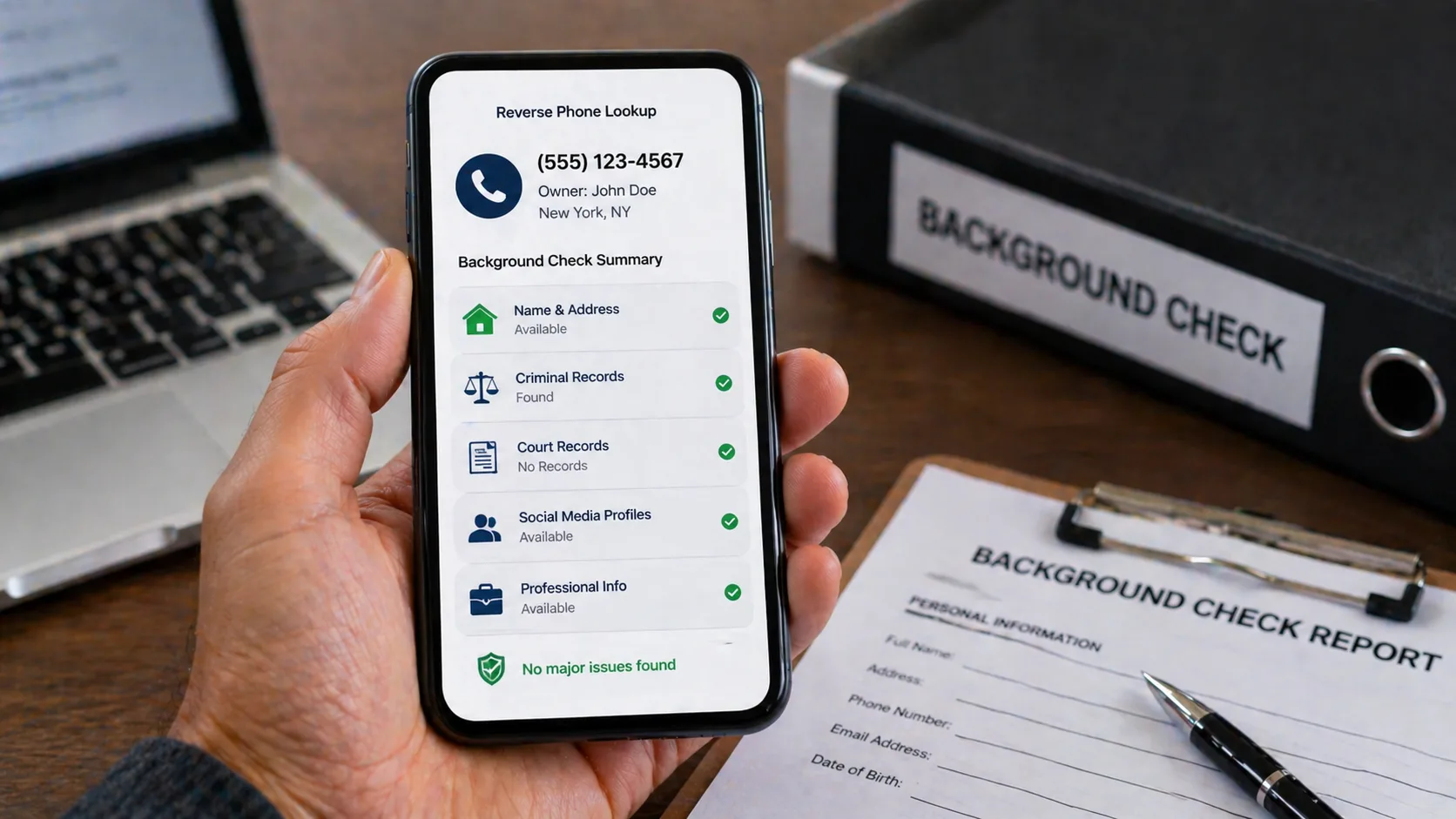
How Reverse Phone Lookup Assists in Background Checks
When you receive a call from an unfamiliar number, or when you’re vetting a new employee, tenant, or business partner, a reverse phone lookup can reveal critical information that standard background checks might miss. These tools have evolved from simple directory services into comprehensive information databases that connect phone numbers to detailed owner profiles. A […]