
Why Do Old Phone Numbers Have New Owners?

By Razib
TL;DR
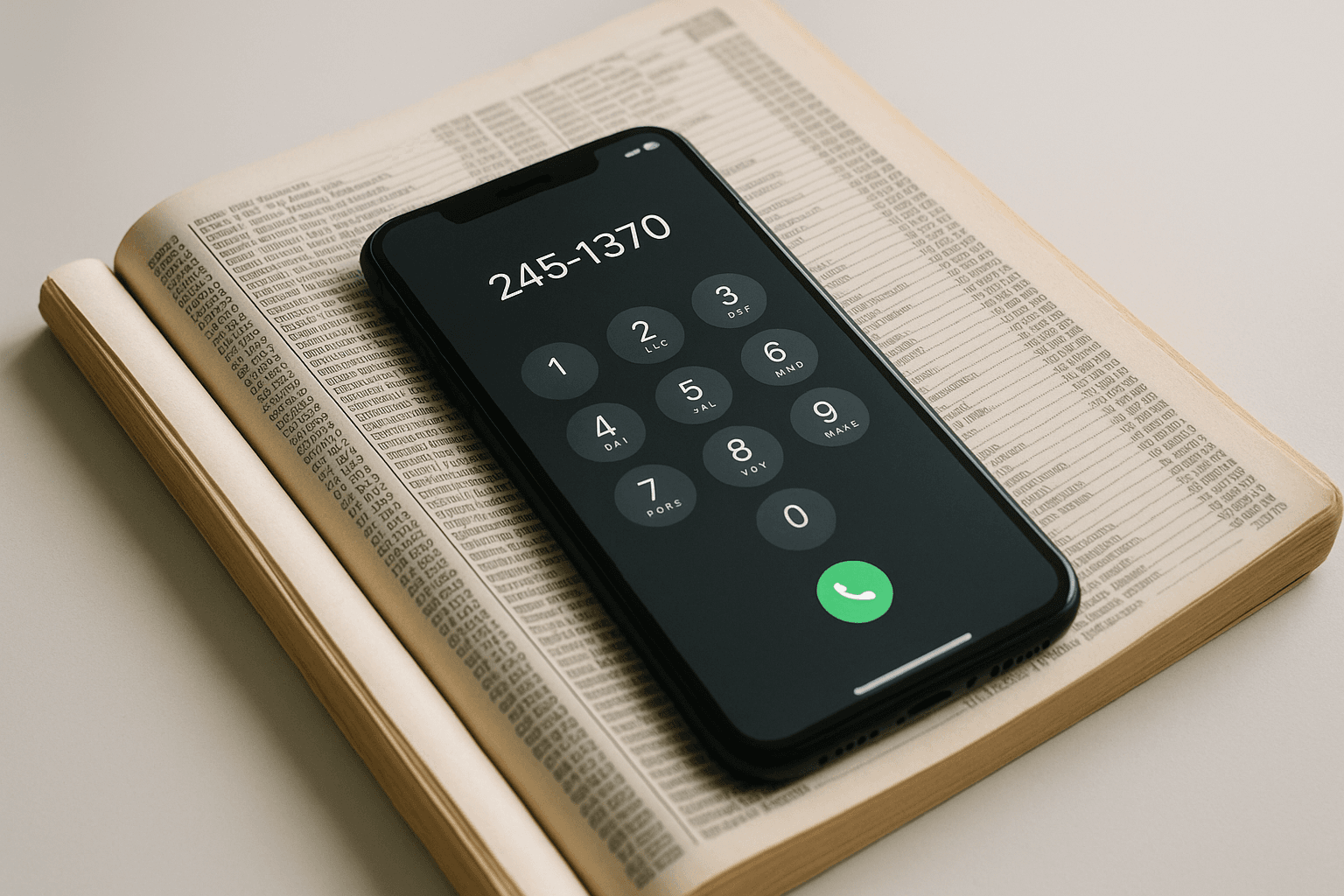
Old phone numbers get reassigned to new owners because telecommunications carriers recycle disconnected numbers after a waiting period to manage the limited supply of available phone numbers. When someone cancels their service, switches carriers, or stops paying their bill, their number enters a holding period before returning to the available pool. This recycling process is regulated by the Federal Communications Commission but creates confusion when contacts, businesses, and automated systems still have the old owner’s number stored in their databases.
The Phone Number Recycling System
Phone numbers are a finite resource, much like real estate in a crowded city. The North American Numbering Plan allocates phone numbers across the United States, Canada, and certain Caribbean nations, but there are only so many possible combinations within each area code. As mobile phone adoption has exploded and people maintain multiple lines for work, personal use, and connected devices, the demand for new numbers continues to grow while the supply remains fixed within existing area codes.
When you disconnect your phone service, whether by choice or due to non-payment, your number doesn’t immediately become available to someone else. The telecommunications industry follows specific protocols before reassigning numbers. Most carriers implement a waiting period during which the disconnected number sits idle, giving the previous owner time to potentially reclaim it and allowing automated systems to update their records. This cooling-off period varies by carrier and circumstance but typically ranges from 30 to 90 days for most residential numbers, though some carriers extend this to six months or longer for certain situations.
After this waiting period expires, the number returns to the general assignment pool maintained by the carrier. When a new customer requests service, they receive either a freshly assigned number from this recycled inventory or, less commonly, a number that has never been used before. The new owner has no connection to the previous holder and typically has no idea about the number’s history when they activate their new line.
Why Carriers Must Recycle Numbers
The practice of number recycling stems from practical necessity rather than carrier preference. Each geographic area code contains approximately 7.92 million possible phone number combinations, but not all of these are usable due to reserved prefixes, special service numbers, and technical limitations. As populations grow and the average person owns more connected devices, area codes would quickly exhaust their available numbers without recycling.
The alternative solutions are less desirable. Adding new area codes disrupts communities and businesses that have built their identity around existing codes. Overlay area codes, where multiple codes serve the same geographic region, create confusion and require ten-digit dialing for all calls. The FCC’s numbering administration recognizes that efficient number recycling helps delay the need for these disruptive changes while making the most of existing resources.
Beyond consumer lines, the number shortage affects emergency services, government agencies, and businesses. Without recycling, telecommunications infrastructure would need constant expansion of area codes, creating a cascade of complications for emergency response systems that rely on geographic number routing and businesses that have invested in marketing specific phone numbers.
The Disconnection Timeline
Understanding when and why numbers get disconnected helps explain the recycling process. Numbers enter the recycling pipeline through several common scenarios. The most straightforward is voluntary cancellation, where a customer terminates their service when moving, switching carriers, or consolidating multiple lines. In these cases, the customer actively releases the number back to the carrier.
Involuntary disconnection occurs when customers fail to pay their bills. After a grace period and multiple warnings, carriers suspend service and eventually disconnect the line entirely. These numbers follow the same recycling timeline as voluntarily disconnected numbers once the account officially closes. Porting complications also create disconnected numbers when customers attempt to transfer their number to a new carrier but the process fails or they abandon their old account without completing the transfer properly.
Business closures represent another significant source of recycled numbers. When companies shut down or change their contact strategies, they release dozens or hundreds of numbers simultaneously. These business numbers often had high visibility through advertising, websites, and customer databases, making their reassignment particularly problematic for new owners who receive misdirected calls and messages intended for the defunct business.
The Problems New Owners Face
Receiving a recycled phone number creates a range of unexpected challenges for the new owner. The most common issue is unwanted communication from people and systems trying to reach the previous owner. Friends, family, and business contacts who haven’t updated their address books continue calling and texting the old number, leaving confused messages for someone they’ve never met. These misdirected attempts can persist for years after the reassignment, especially if the previous owner had the number for a long time and shared it widely.
Automated systems pose an even more persistent problem. Appointment reminders, delivery notifications, verification codes, and account alerts programmed to reach the old number now arrive at the new owner’s phone. Two-factor authentication systems present particular difficulties, as the new owner receives security codes for accounts they don’t control while the previous owner may find themselves locked out of important services. Marketing databases, which may contain millions of phone numbers collected over many years, continue sending promotional messages to recycled numbers long after the intended recipient has moved on.
Debt collection calls represent one of the most frustrating aspects of inheriting a recycled number. Collection agencies working from outdated databases pursue the previous owner’s debts by calling the new holder repeatedly. Despite federal regulations under the Telephone Consumer Protection Act that restrict such calls, enforcement challenges mean new owners often spend considerable time explaining they’re not the debtor and requesting removal from calling lists.
What New Owners Can Do
If you’ve received a recycled number and face these problems, several strategies can help minimize the inconvenience. Start by clearly stating in your voicemail greeting that this number has a new owner and callers seeking the previous holder should update their records. This simple step eliminates many misdirected personal calls from people who recognize their mistake immediately.
For persistent callers, politely explain the situation and ask them to remove your number from their records. Document these requests, including the date, company name, and person you spoke with. This documentation becomes valuable if the unwanted calls continue and you need to file complaints with regulatory agencies. Block numbers that repeatedly call despite your explanations, though be cautious about blocking legitimate businesses that might need to reach you for valid reasons in the future.
Two-factor authentication codes and account notifications require a different approach. When you receive verification codes or password reset messages for accounts you don’t own, resist the temptation to use them. Instead, contact the service provider through their official channels and inform them the number has been reassigned. Many companies maintain procedures for handling this situation and can flag the account to prevent further messages to your number.
Prevention and Future Solutions
While individual actions help manage the symptoms of number recycling, systemic changes would address the root causes. The telecommunications industry has explored extending the waiting period before reassignment, but this approach only delays the inevitable and exacerbates number shortages. More promising solutions involve improving database hygiene across industries, implementing better verification systems when numbers change ownership, and developing alternative authentication methods that don’t rely solely on phone numbers.
On a personal level, when you discontinue phone service, take proactive steps to protect the next owner from inheriting your digital footprint. Update your contact information with all services, banks, retailers, and healthcare providers before disconnecting. Remove your old number from online accounts and switch authentication to email-based methods or authenticator apps. Inform your contacts of your new number and consider maintaining your old number on a minimal service plan for several months during the transition if possible.
Technology companies are gradually recognizing phone numbers as imperfect identifiers for long-term account security. Email addresses, biometric authentication, and hardware security keys offer more stable alternatives that don’t suffer from the reassignment problem. As these methods become more widely adopted, the complications of number recycling may diminish, though phone numbers will likely remain important identifiers for the foreseeable future.
Frequently Asked Questions
How long does a phone number stay inactive before being reassigned?
Most carriers hold disconnected numbers for 30 to 90 days before returning them to the assignment pool, though some extend this period to six months or longer depending on their policies and number availability. The exact duration varies by carrier, state regulations, and whether the number was residential or business. After this cooling-off period, the number becomes available for immediate reassignment to new customers requesting service.
Can I keep my old phone number permanently if I’m not using it?
Yes, you can maintain ownership of a phone number indefinitely by keeping at least a minimal service plan active with a carrier. The least expensive option is typically a prepaid or pay-as-you-go plan with minimal monthly costs. Some carriers offer number parking services specifically designed to hold numbers without full service activation. As long as you maintain some form of active service and pay the associated fees, the carrier won’t recycle your number.
What should I do if I keep getting calls for the previous owner of my number?
Start with a clear voicemail greeting explaining the number has changed ownership. For personal callers, politely inform them of the mistake and ask them to update their records. For businesses and automated systems, request removal from their calling lists and document each request with dates and company names. If calls continue despite your requests, file complaints with the FCC or relevant consumer protection agencies. For debt collectors specifically, send a written cease-and-desist letter citing your rights under federal debt collection laws.
Are businesses required to verify phone numbers before calling them?
While businesses must maintain reasonable procedures to avoid calling wrong numbers under the Telephone Consumer Protection Act, they’re not required to verify every number before each call. However, once you inform a company that their records are incorrect and you’re not the person they’re trying to reach, they must update their systems and stop calling you. Continued calls after you’ve requested removal may violate federal regulations and could subject the business to penalties.
Can I request a phone number that’s never been used before?
You can ask your carrier for a previously unused number, but most can’t guarantee this request. Carriers don’t typically distinguish between recycled and never-assigned numbers in their available inventory, and the vast majority of numbers in most area codes have been assigned at least once during the decades since implementation. Your best strategy is to specifically ask whether a number has recent assignment history and request a different option if you’re concerned about inheriting someone else’s contact list.
How do I update my phone number across all my accounts before disconnecting?
Create a comprehensive list by reviewing your email for account confirmation messages, checking your password manager for stored accounts, and examining your phone’s app history. Prioritize financial institutions, healthcare providers, email accounts, and any services using phone-based two-factor authentication. Update each account with your new contact information, then switch authentication methods to email or app-based options where available. Consider maintaining your old number on a basic plan for 60 to 90 days after updating everything to catch any accounts you missed.
Why do I receive verification codes for accounts I don’t own?
You’re receiving these codes because the previous owner of your number still has accounts linked to it, and either they haven’t updated their information or the services haven’t verified the number change. When they try to log in or reset passwords, the verification codes are sent to what’s now your number. Contact the service provider through their official support channels to report the number reassignment. Never use these codes to access accounts that aren’t yours, as doing so could violate computer fraud laws even if you’re just curious about the situation.
Related Articles
 Phone Lookup
What Can an Area Code Tell You About a Phone Number?
TL;DR An area code reveals the geographic region where a phone number was originally assigned, whether it’s a landline or mobile number, and can help identify potential spam or scam calls. While area codes once definitively indicated a caller’s physical location, number portability and VoIP services have made this information less reliable. Area codes can […]
 Phone Lookup
International Phone Number Lookup Explained
TL;DR International phone number lookup is a process that identifies the origin, carrier, and sometimes the owner of a phone number from anywhere in the world. These services use databases containing information about phone number allocations, country codes, and telecommunications data to provide details about callers before you answer or return calls. While basic information […]
 Phone Lookup
Can You Look Up a Toll-Free Phone Number?
TL;DR Yes, you can look up toll-free phone numbers through several reliable methods. The most effective approaches include using reverse phone lookup services, searching the official databases maintained by toll-free number administrators, checking company websites directly, or consulting the Better Business Bureau. While toll-free numbers are publicly available, finding detailed ownership information may require contacting […]