
What Does Scam Likely Mean on Caller ID?

By Razib
TL;DR
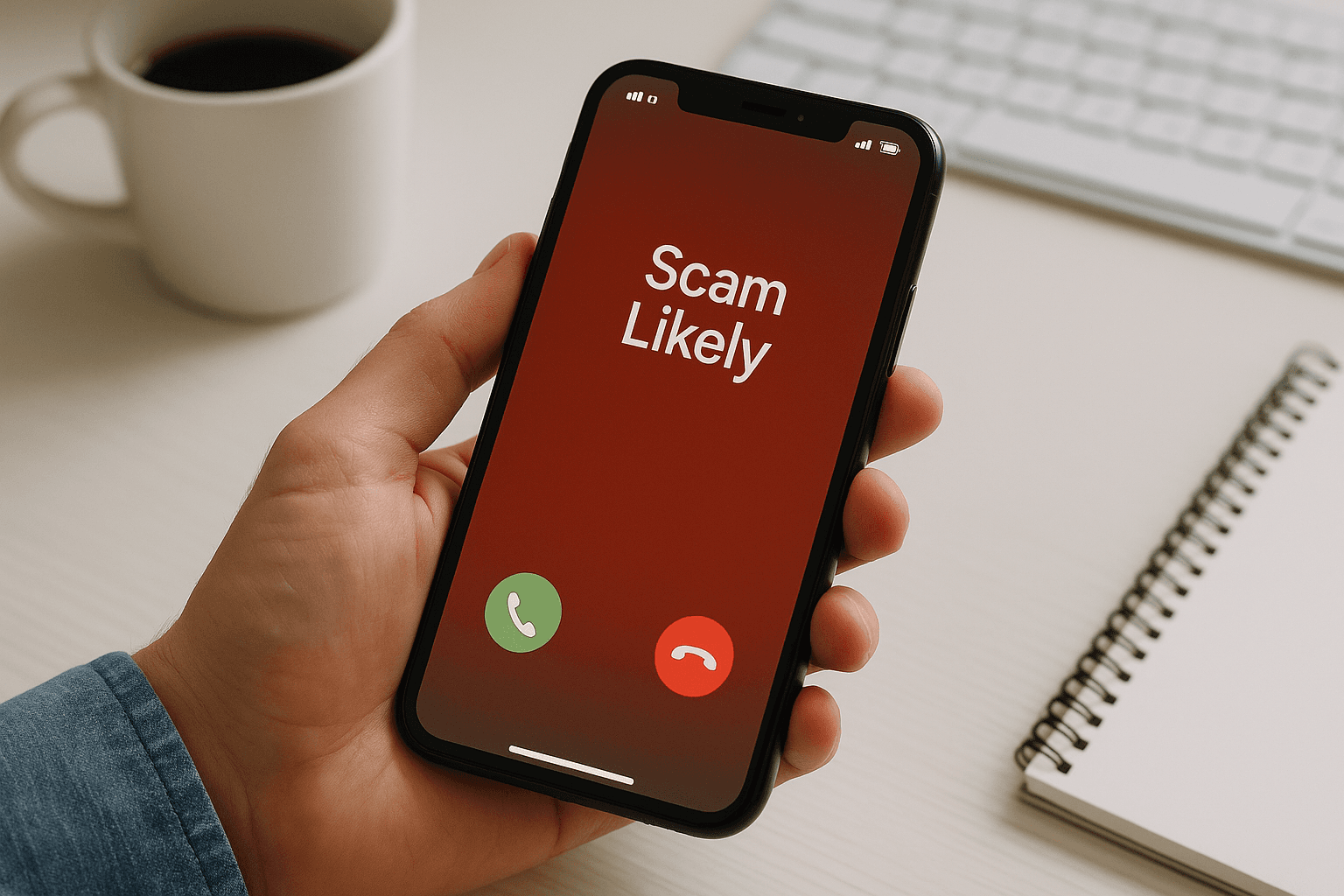
“Scam Likely” on your caller ID is a warning label that your phone carrier automatically displays when an incoming call is suspected to be fraudulent or a scam. Major carriers like T-Mobile, AT&T, and Verizon use call analytics technology to identify suspicious calling patterns and flag these numbers before you answer. When you see this label, it means the call has been flagged based on characteristics commonly associated with robocalls, spoofed numbers, or known scam operations, and you should probably avoid answering.
How Phone Carriers Identify Scam Calls
Phone carriers use sophisticated algorithms and databases to analyze billions of calls in real time. These systems examine multiple data points for each incoming call, including call volume patterns, call duration, caller ID authentication, and reports from other users who have flagged numbers as suspicious. When a number exhibits behavior consistent with scam operations—such as making an unusually high volume of calls in a short period, frequently changing caller ID information, or originating from known scam call centers—the carrier’s system flags it.
The technology behind this screening relies on both automated pattern recognition and crowdsourced data. If thousands of people receive calls from the same number within minutes and most calls are immediately rejected or reported as spam, the carrier’s algorithm learns to recognize this pattern. Additionally, carriers share information about known scam numbers through industry databases, creating a collective defense against phone fraud that benefits all subscribers.
The Difference Between Carrier Labels
Different phone carriers use varying terminology to warn you about suspicious calls, though they all serve the same basic purpose. T-Mobile pioneered the “Scam Likely” label in 2017, which has become so recognizable that many people use the term generically regardless of their carrier. AT&T displays calls as “Spam Risk” or “Fraud Risk” depending on the confidence level of their detection system. Verizon uses “Potential Spam” or “Spam Risk” for calls identified by their screening technology.
The severity of the label often reflects how confident the carrier is that the call is illegitimate. A “Fraud Risk” designation typically indicates a higher certainty that the call is malicious compared to “Potential Spam,” which might include aggressive telemarketers who are technically legal but still unwanted. Some carriers also use numerical risk scores or color coding in their apps to give you more granular information about each suspicious call.
Why Scammers Target Phone Users
Phone scams remain profitable because they work on a numbers game. Scammers can use automated dialing systems to place thousands of calls per hour at minimal cost, and they only need a tiny percentage of people to fall for their schemes to make money. Common scam tactics include impersonating government agencies like the IRS or Social Security Administration, posing as tech support representatives, claiming you’ve won a prize, or threatening you with arrest unless you pay immediately.
The sophistication of these operations has increased dramatically. Modern scammers use caller ID spoofing to make their calls appear to come from local numbers with the same area code as yours, a technique called “neighbor spoofing” that increases the likelihood you’ll answer. They may have purchased leaked personal data that allows them to reference specific details about you, making their pitch seem more legitimate. According to the Federal Trade Commission’s data, Americans lost billions to imposter scams, with phone calls remaining a primary contact method for fraudsters.
What Happens When You Answer a Scam Likely Call
Answering a call labeled “Scam Likely” generally doesn’t cause immediate harm, but it does signal to scammers that your number is active and monitored by a real person. This can result in your number being added to lists that are sold or shared among scam operations, leading to even more unwanted calls. Many scam calls are initially silent or play a recorded message designed to elicit a response or prompt you to press a number for more information.
The real danger comes from engaging with the caller. Skilled scam artists use psychological manipulation techniques to create urgency, fear, or excitement that clouds your judgment. They may ask you to confirm personal information “for verification,” request payment through untraceable methods like gift cards or wire transfers, or convince you to install remote access software on your computer. Once you’ve interacted with a scammer, they often become more aggressive and persistent in their attempts to extract money or information.
How to Protect Yourself from Scam Calls
The simplest protection is to never answer calls from numbers you don’t recognize, especially those flagged by your carrier. Legitimate callers will leave a voicemail if their business is important, while scammers rarely do because leaving recorded evidence of their fraud creates liability. Most smartphones allow you to send unknown callers directly to voicemail automatically, which many security experts recommend enabling.
You can strengthen your defenses by registering your number with the National Do Not Call Registry, though this primarily stops legitimate telemarketers rather than illegal scammers who ignore such restrictions. Many carriers offer enhanced call filtering services, sometimes for free and sometimes as a paid add-on, that provide more aggressive blocking of suspected scam calls. Third-party apps like Nomorobo, RoboKiller, or Hiya can add another layer of protection by maintaining their own databases of known scam numbers.
If you accidentally answer a suspicious call, hang up immediately without saying anything or pressing any buttons. Never provide personal information, financial details, or confirm any data the caller claims to already have. Remember that legitimate government agencies and established companies will never call you demanding immediate payment, threatening arrest, or asking for sensitive information without prior correspondence through official channels.
When Legitimate Calls Get Mislabeled
The automated systems that identify scam calls aren’t perfect, and legitimate calls occasionally get flagged incorrectly. This happens most often with small businesses, medical offices, or service providers that make many outbound calls in patterns that resemble robocalling. Calls from numbers you’ve never interacted with before, even from real organizations, might trigger scam warnings simply because the algorithm doesn’t have enough data to verify their legitimacy.
If you’re expecting an important call from a business or service provider and it comes through labeled as “Scam Likely,” you can verify its legitimacy by hanging up and calling back using a number you find independently through official websites or documentation. Never use a callback number provided in a voicemail or text message, as scammers often leave these as part of their scheme. Businesses experiencing legitimate flagging issues can work with carriers to verify their calling practices and get their numbers whitelisted, though this process can take time.
The Role of STIR/SHAKEN Technology
The telecommunications industry has implemented a framework called STIR/SHAKEN (Secure Telephone Identity Revisited / Signature-based Handling of Asserted information using toKENs) to combat caller ID spoofing. This technology allows phone carriers to verify that the caller ID information accompanying a call actually matches the network originating the call, making it much harder for scammers to disguise their real location or identity. The FCC mandated implementation of this technology across most of the phone network, significantly improving the accuracy of scam detection.
When a call passes STIR/SHAKEN verification, it receives an attestation level indicating how confident the originating carrier is that the caller ID is legitimate. Calls that fail verification or come from networks that don’t support the technology are more likely to be flagged as potential scams by your carrier. While this system has reduced spoofing, scammers continue to adapt by using compromised legitimate numbers or exploiting smaller carriers with less robust verification systems.
Frequently Asked Questions
Should I ever answer a call marked as Scam Likely?
Generally no, you should not answer calls labeled as Scam Likely. The risk of engaging with a scammer outweighs the small possibility that it’s a legitimate call incorrectly flagged. If it’s genuinely important, the caller will leave a voicemail that you can verify independently before calling back through official channels.
Can scammers still reach me if I block Scam Likely numbers?
Yes, scammers constantly rotate through different phone numbers and techniques to bypass blocking systems. While carrier filtering significantly reduces scam calls, no system catches 100% of them. Scammers also use number spoofing to make each call appear to come from a different source, making it impossible to block all potential scam numbers in advance.
Why do I still get scam calls if I’m on the Do Not Call Registry?
The Do Not Call Registry only affects legitimate telemarketers who follow the law. Scammers operate illegally and completely ignore the registry. In fact, some scammers scrape the registry to find active phone numbers to target, though registering still reduces legal telemarketing calls and is worth maintaining.
Does my carrier charge extra for scam call identification?
Basic scam call identification is typically included free with most major carrier plans, displaying labels like “Scam Likely” or “Spam Risk” at no additional cost. However, carriers often offer premium call filtering services with more advanced features like automatic blocking, reverse number lookup, and personal block lists as paid add-ons, usually ranging from three to ten dollars per month.
What information do scammers want when they call?
Scammers primarily seek financial information like credit card numbers, bank account details, and Social Security numbers that allow direct theft. They also collect personal data including birth dates, addresses, and mother’s maiden names used for identity theft. Some scams aim to get remote access to your computer or trick you into making immediate payments through gift cards, cryptocurrency, or wire transfers.
Can I report scam calls to help prevent future ones?
Yes, reporting scam calls helps carriers improve their detection algorithms and aids law enforcement investigations. Most carriers have built-in reporting features in their phone apps or call logs. You can also file complaints with the Federal Trade Commission through their website, which tracks scam trends and takes enforcement action against illegal operations when possible.
Will answering and immediately hanging up cause problems?
Answering and quickly hanging up won’t cause immediate technical problems, but it confirms to scammers that your number is active and answered by a real person. This typically results in more frequent scam calls as your number gets flagged as a viable target and shared among scam operations. The best practice is to let flagged calls go to voicemail without answering at all.
Related Articles
 Phone Lookup
Why Do Old Phone Numbers Have New Owners?
TL;DR Old phone numbers get reassigned to new owners because telecommunications carriers recycle disconnected numbers after a waiting period to manage the limited supply of available phone numbers. When someone cancels their service, switches carriers, or stops paying their bill, their number enters a holding period before returning to the available pool. This recycling process […]
 Phone Lookup
What Can an Area Code Tell You About a Phone Number?
TL;DR An area code reveals the geographic region where a phone number was originally assigned, whether it’s a landline or mobile number, and can help identify potential spam or scam calls. While area codes once definitively indicated a caller’s physical location, number portability and VoIP services have made this information less reliable. Area codes can […]
 Phone Lookup
International Phone Number Lookup Explained
TL;DR International phone number lookup is a process that identifies the origin, carrier, and sometimes the owner of a phone number from anywhere in the world. These services use databases containing information about phone number allocations, country codes, and telecommunications data to provide details about callers before you answer or return calls. While basic information […]