
Phone Carrier Lookup and What the Results Mean

By Razib Mojumder
TL;DR
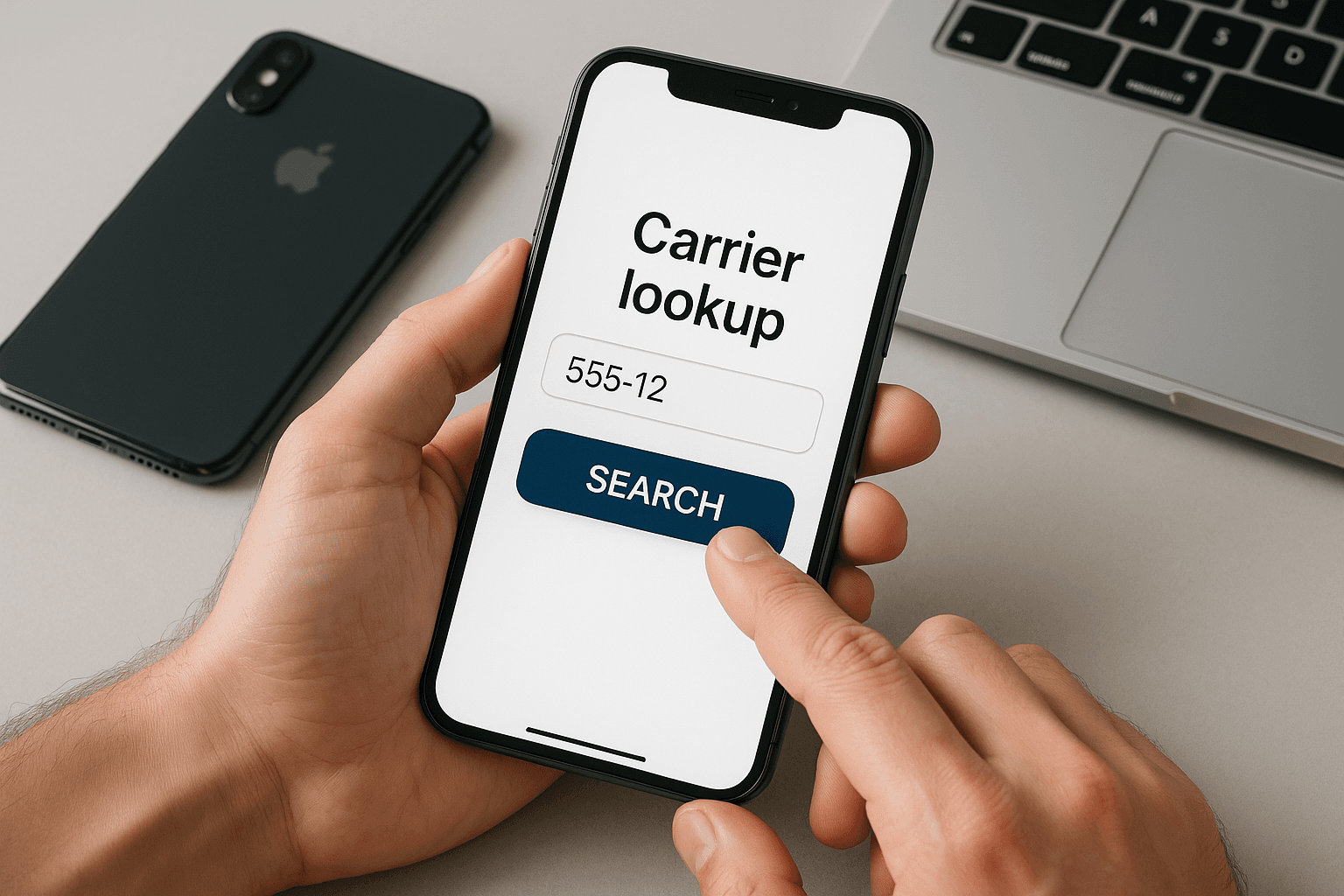
Phone carrier lookup is a process that identifies which telecommunications company provides service to a specific phone number, revealing details about the network, number type, and sometimes the geographic location associated with that number. The results tell you whether a number is mobile or landline, which carrier operates it, if it’s been ported from another provider, and whether it’s currently active or disconnected. This information helps businesses verify contacts, reduce fraud, improve message delivery rates, and understand their customer base better.
What Is Phone Carrier Lookup
Phone carrier lookup is a telecommunication intelligence service that provides information about a phone number’s underlying network infrastructure and ownership status. When you perform a carrier lookup, specialized databases and APIs query telecommunications routing information to determine which company currently provides service to that number. This process happens behind the scenes every time networks need to route calls or messages, but businesses and individuals can now access this information through dedicated lookup services.
The lookup process taps into databases that track number assignments, portability records, and network routing information. These databases are constantly updated as consumers switch carriers, disconnect numbers, or move between geographic areas. The Federal Communications Commission maintains oversight of number portability and carrier assignments in the United States, ensuring that the infrastructure supporting these lookups remains accurate and functional.
Understanding the Key Information Revealed
Carrier Name and Network Type
The most fundamental piece of information returned by a carrier lookup is the name of the telecommunications company currently servicing the number. This might be a major carrier like Verizon, AT&T, or T-Mobile, or it could be a mobile virtual network operator (MVNO) that leases network access from these larger providers. The result also indicates the network type, distinguishing between GSM and CDMA networks, though this distinction has become less relevant as carriers converge on LTE and 5G technologies.
Line Type Classification
Carrier lookup results classify numbers into specific line types that reveal how the number functions within the telecommunications ecosystem. Mobile numbers belong to cellular devices, while landline numbers connect to traditional fixed-line telephone systems. VoIP numbers operate through internet protocol systems rather than traditional phone infrastructure. Toll-free numbers follow the 800-series format and reverse billing arrangements. Each classification carries different implications for how you should interact with that number and what response rates you might expect.
Porting Status and History
Number portability allows consumers to keep their phone numbers when switching carriers, a right established through telecommunications regulations. Carrier lookup results indicate whether a number has been ported from its original carrier to the current provider. This information matters because ported numbers can sometimes experience temporary routing issues or delays, and understanding porting status helps businesses maintain accurate customer records. The Local Number Portability system managed by telecommunications authorities tracks these movements across the network ecosystem.
Geographic Information
Lookup results typically include the original geographic rate center associated with a number, which indicates the area code’s intended service region. However, number portability and mobile technology mean that a number’s current user might be located anywhere, making geographic data less reliable than it once was. The rate center information remains useful for understanding area code assignments and can sometimes provide general regional context, but it should never be treated as a precise location indicator.
Active or Inactive Status
One of the most valuable pieces of information from a carrier lookup is whether a number is currently active and in service. Inactive numbers have been disconnected, while active numbers maintain an active account with a telecommunications provider. This distinction helps businesses clean their contact databases, reduce wasted outreach efforts, and improve communication campaign effectiveness. Some lookup services can also identify numbers that have been temporarily suspended or are in a grace period before permanent disconnection.
Why Businesses Perform Carrier Lookups
Companies across industries rely on carrier lookup information to optimize their communication strategies and protect against fraud. Marketing teams use carrier data to segment their contact lists by line type, recognizing that mobile numbers typically receive text messages directly while landline numbers cannot. This segmentation prevents wasted SMS marketing spend and reduces the risk of carrier filtering or penalties for sending messages to incompatible number types.
Fraud prevention teams use carrier lookup as a verification layer during account creation and transaction processes. When users provide phone numbers during registration or checkout, real-time carrier lookup can flag suspicious patterns like numbers that don’t exist, recently disconnected numbers, or VoIP numbers that fraudsters often use for temporary accounts. Financial institutions and e-commerce platforms integrate these checks into their risk assessment workflows to identify potential fraud before it occurs.
Customer service operations benefit from carrier information when troubleshooting communication issues or verifying customer identities. Understanding whether a customer uses a mobile or landline number helps support teams set appropriate expectations for callback availability and communication preferences. Call centers also use carrier data to route calls more efficiently through the appropriate network pathways, reducing connection delays and improving call quality.
How Carrier Lookup Technology Works
Carrier lookup services access databases that telecommunications companies maintain for call routing and billing purposes. When you initiate a lookup query, the service sends the phone number to these databases and retrieves the associated carrier records. The process typically completes within milliseconds, making it practical for real-time verification during user interactions on websites or applications.
The underlying data comes from several sources, including the Number Portability Administration Center, which tracks all ported numbers in North America, and individual carrier databases that maintain their subscriber information. Lookup providers aggregate this information from multiple sources to deliver comprehensive results. The accuracy of these results depends on how frequently the lookup service updates its databases, with reputable providers refreshing their data daily or even more frequently.
API-based lookup services have become the standard implementation method for businesses that need to perform lookups at scale. These APIs accept phone numbers as input parameters and return structured data containing all available carrier information. Developers integrate these APIs into their applications, customer relationship management systems, or marketing automation platforms, creating automated workflows that use carrier data to make intelligent routing and validation decisions.
Interpreting Results for Different Use Cases
The same carrier lookup result carries different implications depending on your specific use case. A marketer seeing a VoIP line type might flag that contact as potentially less engaged or less valuable, since VoIP numbers are sometimes temporary or business-focused. A fraud analyst seeing the same VoIP designation might treat it as a risk signal requiring additional verification steps. A customer service representative might simply note it as context for understanding how to best reach that customer.
Porting status becomes particularly meaningful for businesses maintaining long-term customer relationships. A number that shows multiple recent port events might indicate a customer who’s price-shopping among carriers or experiencing service issues, potentially signaling a customer at risk of churning from your service as well. Conversely, numbers that have remained with the same carrier for years might indicate stable, established customers.
Active status results should prompt immediate action when they reveal disconnected numbers in your database. These inactive records represent people you can no longer reach through that contact method, making them prime candidates for removal from active marketing lists. Keeping disconnected numbers in your communication rotation wastes resources and can damage your sender reputation with carriers who track bounce rates and failed delivery attempts.
Privacy and Regulatory Considerations
Carrier lookup operates within a carefully regulated environment governed by telecommunications law and privacy regulations. The information revealed through carrier lookup comes from routing databases rather than private subscriber information, distinguishing it from more invasive reverse phone lookup services. The Telephone Consumer Protection Act establishes rules around automated calling and messaging that make carrier verification not just useful but legally necessary for compliance with do-not-call provisions and consent requirements.
Legitimate carrier lookup services provide technical information about numbers without revealing personally identifiable information about the subscribers. You learn about the infrastructure and network details, not about the individual who owns or uses the number. This distinction matters for privacy compliance, as using carrier data for verification and optimization purposes generally falls within acceptable business practices when combined with other compliance measures.
Frequently Asked Questions
Can carrier lookup tell me who owns a phone number?
No, carrier lookup only reveals technical information about the telecommunications provider and line type, not the identity of the person or business who owns the number. The service accesses network routing information rather than subscriber databases, keeping individual privacy intact while providing infrastructure details.
How accurate is carrier lookup information?
Carrier lookup accuracy depends on how recently the lookup service has updated its databases, with most reputable providers maintaining accuracy rates above 95 percent. The information becomes less accurate over time as numbers get ported or disconnected, which is why businesses performing regular lookups get better results than those relying on outdated carrier data.
Do I need special permission to perform carrier lookups?
You don’t need special permission to look up carrier information for phone numbers you have a legitimate business reason to verify, such as numbers provided by your customers or contacts on your marketing lists. However, you should still comply with applicable privacy laws and use the information only for lawful purposes like fraud prevention, message delivery optimization, or contact verification.
What’s the difference between carrier lookup and reverse phone lookup?
Carrier lookup identifies the telecommunications provider and technical details about a number, while reverse phone lookup attempts to identify the person or business associated with that number. Carrier lookup accesses network infrastructure data, whereas reverse lookup searches public records, directories, and other sources for subscriber identity information.
Can carrier lookup results change over time for the same number?
Yes, carrier information changes whenever a subscriber switches providers through number porting, disconnects service, or converts their number from one line type to another. This is why businesses performing ongoing communication campaigns should periodically refresh their carrier data rather than relying on months-old lookup results.
Will the person know if I perform a carrier lookup on their number?
No, carrier lookup is a passive query of telecommunications databases that doesn’t create any notification to the number’s owner or generate any activity on their account. The lookup happens entirely on the network infrastructure side without touching the subscriber’s device or account.
Can carrier lookup identify spam or scam numbers?
While carrier lookup itself doesn’t label numbers as spam or scams, the results can provide clues that help with risk assessment. Newly activated numbers, certain VoIP providers known for temporary numbers, or numbers with suspicious porting patterns might warrant additional scrutiny, but carrier data alone isn’t sufficient to definitively identify malicious numbers.
Editorial Standards & Fact Checking
At NumLocate, our telecommunications and privacy guides are independently researched, cross-referenced with official FCC guidelines and carrier numbering plans, and reviewed to ensure consumer safety and accuracy.

Written by Razib Mojumder
Telecommunications & Digital Privacy Specialist
Razib is the lead researcher at NumLocate, specializing in caller ID authentication protocols, STIR/SHAKEN anti-spoofing frameworks, and practical digital privacy tools for everyday consumers.
Related Articles
 Phone Lookup
What Does Scam Likely Mean on Caller ID?
TL;DR “Scam Likely” on your caller ID is a warning label that your phone carrier automatically displays when an incoming call is suspected to be fraudulent or a scam. Major carriers like T-Mobile, AT&T, and Verizon use call analytics technology to identify suspicious calling patterns and flag these numbers before you answer. When you see […]
 Phone Lookup
Why Do Old Phone Numbers Have New Owners?
TL;DR Old phone numbers get reassigned to new owners because telecommunications carriers recycle disconnected numbers after a waiting period to manage the limited supply of available phone numbers. When someone cancels their service, switches carriers, or stops paying their bill, their number enters a holding period before returning to the available pool. This recycling process […]
 Phone Lookup
What Can an Area Code Tell You About a Phone Number?
TL;DR An area code reveals the geographic region where a phone number was originally assigned, whether it’s a landline or mobile number, and can help identify potential spam or scam calls. While area codes once definitively indicated a caller’s physical location, number portability and VoIP services have made this information less reliable. Area codes can […]