
What Does No Results Mean in a Phone Number Lookup?

By Razib Mojumder
TL;DR
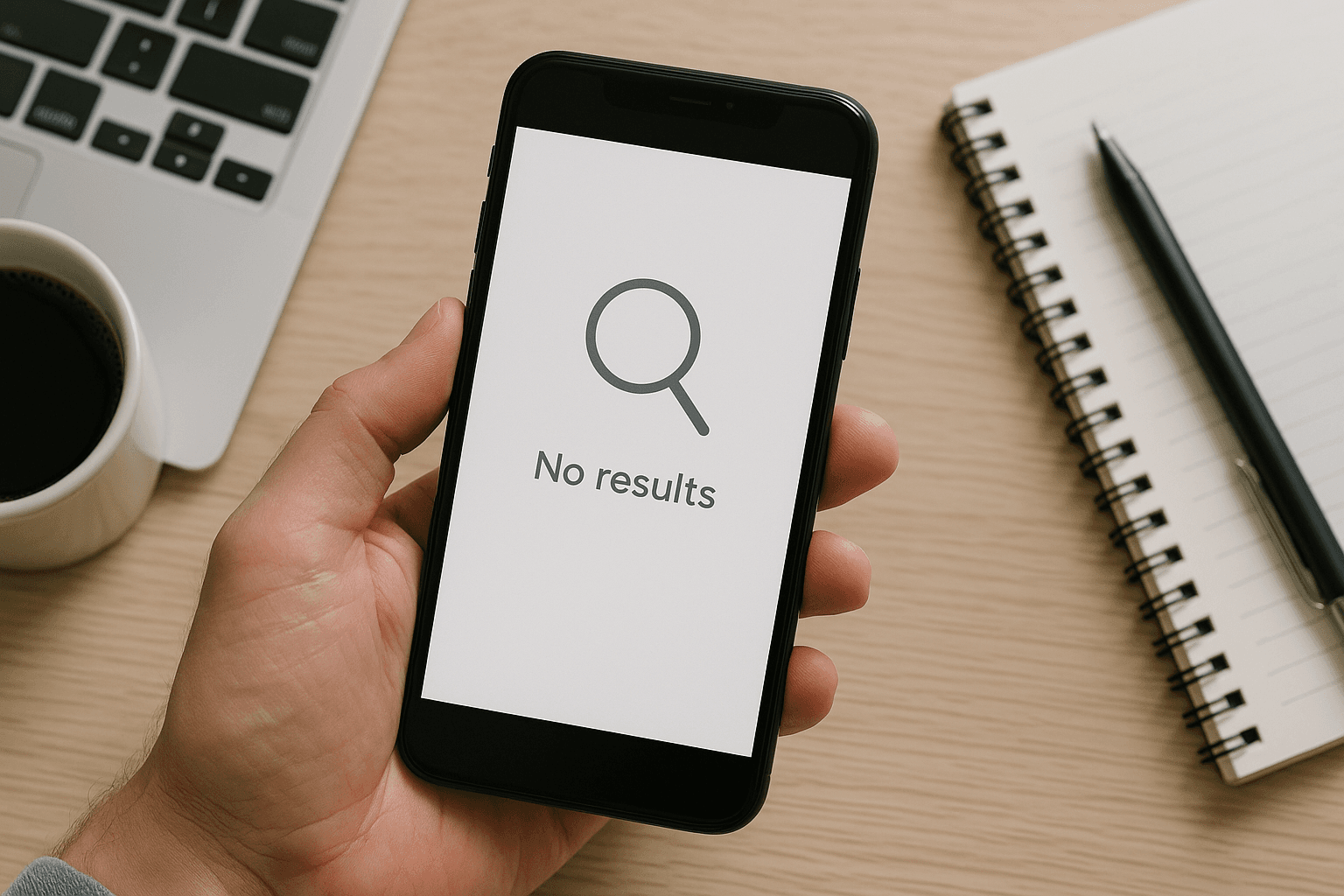
When a phone number lookup returns “no results,” it typically means the number isn’t listed in the database being searched, which can happen for several reasons: the number might be new, belong to a prepaid carrier, be registered to a VoIP service, have an unlisted status, or come from someone who has opted out of public directories. This outcome doesn’t necessarily mean the number is fake or suspicious, but rather that the specific service you’re using doesn’t have information about that particular number in its records. Understanding why lookups fail helps you determine next steps and choose more effective search methods.
Understanding Phone Number Lookup Databases
Phone number lookup services rely on databases compiled from various sources, including public records, user submissions, telecommunications company information, and data aggregators. These databases are never truly complete because they face inherent limitations in coverage and real-time accuracy. When you search a number and receive no results, you’re essentially discovering a gap in that particular service’s data collection.
Different lookup services access different data sources, which explains why one platform might return information while another shows nothing. Some services focus primarily on landline numbers pulled from traditional white pages directories, while others specialize in cell phone data gathered through crowdsourcing or partnerships with carriers. The fragmented nature of telecommunications data means comprehensive coverage remains elusive even for the largest providers.
Common Reasons for No Results
Newly Activated Numbers
Phone numbers that were recently activated or reassigned won’t immediately appear in lookup databases. There’s typically a delay between when a carrier assigns a number and when that information propagates through various data collection systems. This lag can range from a few weeks to several months depending on how the lookup service gathers its information. If someone just got a new phone number yesterday, don’t expect it to show up in most reverse lookup tools today.
Prepaid and Burner Phones
Prepaid phone services and so-called “burner phones” frequently return no results because they don’t require the same registration information as traditional postpaid plans. Users can purchase these phones with minimal personal information, and carriers typically don’t submit this data to public directories. The Federal Communications Commission doesn’t mandate that prepaid service information be publicly accessible, creating legitimate privacy gaps that also make these numbers harder to trace.
VoIP and Internet-Based Numbers
Voice over Internet Protocol services like Google Voice, Skype numbers, and various business communication platforms generate phone numbers that often return no results in traditional lookups. These numbers aren’t tied to physical phone lines or traditional cellular infrastructure, making them more difficult to track through conventional databases. VoIP providers may not participate in the same data-sharing arrangements that traditional carriers maintain with lookup services.
Privacy Protections and Opt-Outs
Many people actively request to be removed from public phone directories and data broker databases. Both federal regulations and individual carrier policies allow customers to maintain unlisted status, which means their numbers won’t appear in lookup results. The growing awareness around digital privacy has led more consumers to exercise these opt-out rights, contributing to an increasing number of no-result lookups over time.
International and Non-Standard Numbers
Numbers from outside your country or numbers using non-traditional formats may not be covered by the lookup service you’re using. Most reverse phone lookup tools focus on domestic numbers within their primary market, leaving international numbers largely unsearchable. Even within a country, certain number ranges allocated for special purposes might not be included in standard databases.
What No Results Doesn’t Mean
A no-result finding shouldn’t be automatically interpreted as a red flag. It doesn’t necessarily indicate the number belongs to a scammer, criminal, or someone engaged in suspicious activity. Legitimate businesses, privacy-conscious individuals, and ordinary people with recently changed numbers all regularly produce no-result lookups. Drawing conclusions based solely on the absence of data creates a false sense of certainty about something you simply don’t know.
Similarly, no results doesn’t confirm the number is fake or non-functional. The number might be perfectly active and in regular use; it just isn’t cataloged in the particular database you searched. Making important decisions about whether to return a call or trust a contact based purely on lookup results can lead to both missed opportunities and unwarranted suspicion.
Steps to Take When You Get No Results
When your initial lookup returns nothing, you have several alternative approaches. Start by trying multiple lookup services, since each maintains different data sources. Free services typically have more limited databases than paid alternatives, so if the matter is important, investing in a premium lookup might yield better results.
Search engines can be surprisingly effective for phone number investigation. Simply typing the number into Google or another search engine might reveal whether the number appears on business websites, social media profiles, or complaint forums. People often post about suspicious numbers online, and these discussions get indexed by search engines even if they don’t make it into formal lookup databases.
If the call appeared to be business-related, search for the business name along with phone number verification. Legitimate companies typically list their contact numbers on official websites, and you can verify whether an incoming number matches their published information. Be cautious of fake websites designed to look official, and cross-reference information across multiple sources.
Carrier-provided services like AT&T Call Protect or Verizon Call Filter can sometimes identify calls that third-party lookups miss. These tools analyze calling patterns and maintain their own databases of known spam numbers. While they won’t give you detailed owner information, they can help you determine whether a number has been flagged as problematic.
When dealing with concerning calls, consider filing a report with the Federal Trade Commission’s fraud reporting system even if you can’t identify the caller. Documenting suspicious activity helps authorities track patterns and potentially take action against bad actors, and you’ll have a record if the situation escalates.
Improving Your Chances of Getting Results
Before assuming a lookup has truly failed, verify you’re entering the number correctly. Include the full area code and country code if searching an international number, and try the number with and without formatting characters like dashes or parentheses. Different lookup services expect different input formats, and minor variations can mean the difference between results and nothing.
Timing matters more than many people realize. If you’ve determined the number is recently activated, waiting a few weeks and trying again might produce results that weren’t available initially. Databases update at different intervals, and patience occasionally pays off when immediate searches don’t.
Consider the context of how you received the number. If it came via text message, the sender’s behavior and message content often provide more useful information than any lookup service. Legitimate businesses identify themselves clearly, while suspicious contacts typically use vague language, pressure tactics, or too-good-to-be-true offers regardless of whether their numbers appear in databases.
The Limitations of Phone Number Lookups
Understanding that no lookup service offers complete coverage helps set realistic expectations. The telecommunications ecosystem is vast and constantly changing, with millions of numbers being activated, deactivated, and reassigned regularly. Data privacy regulations, varying carrier practices, and the technical complexity of modern communication networks all contribute to inevitable gaps in any database.
Free lookup services in particular face significant limitations because comprehensive data costs money to acquire and maintain. These platforms often rely on user-submitted information or limited public records, creating substantial blind spots. Even paid services can’t guarantee results, though they typically access more extensive data sources and provide more detailed information when records do exist.
The rise of number spoofing technology further complicates phone number investigation. Callers can display fake numbers on your caller ID, meaning the number you’re looking up might not even belong to the actual caller. This practice, while illegal for fraudulent purposes under regulations enforced by the FCC’s anti-spoofing rules, remains common among scammers and makes caller identification fundamentally unreliable in some situations.
Frequently Asked Questions
Does no results mean the phone number is fake?
No, a lack of lookup results doesn’t indicate a fake number. The number could be perfectly legitimate but simply not included in the database you searched. New numbers, prepaid phones, VoIP services, and privacy-protected listings all commonly return no results despite being genuine, active phone numbers.
Should I answer calls from numbers that show no lookup results?
Use your judgment based on context rather than lookup results alone. If you’re expecting a call from an unfamiliar number, it’s generally fine to answer. If it’s unexpected and you’re concerned, let it go to voicemail. Legitimate callers will leave a message, while robocallers and scammers typically won’t, giving you useful information without the lookup.
Can I find out who owns a number that returns no results?
Sometimes, but not through standard lookup services. You might try contacting your phone carrier to report harassment or unwanted calls, and law enforcement can subpoena carrier records in cases involving threats or criminal activity. For general curiosity about unknown callers, however, you may simply have to accept that you won’t identify every number that contacts you.
Why do some lookup services show results while others don’t for the same number?
Different services access different databases and use varying data collection methods. One service might aggregate information from social media and user reports, while another pulls exclusively from public records and carrier data. This explains why checking multiple services can sometimes reveal information that a single lookup missed.
Are paid lookup services better at finding numbers that return no results on free services?
Paid services generally have more comprehensive databases and can sometimes find information that free services miss, but they can’t perform miracles. If a number is genuinely unlisted, belongs to a very new activation, or comes from a source that doesn’t share data publicly, even premium services will likely return no results. Paid services are worth trying for important searches but don’t guarantee success.
How long does it take for a new phone number to appear in lookup databases?
The timeline varies considerably depending on the carrier, the type of service, and how the lookup service collects data. Some numbers may appear within a few weeks, while others might take several months or never appear at all if the owner maintains privacy settings. There’s no standard timeframe across the industry.
What should I do if I keep getting calls from a number that shows no results?
Block the number using your phone’s built-in features or carrier-provided blocking services. If the calls are threatening or harassing, document them and consider filing a report with local law enforcement and the FTC. For persistent unwanted marketing calls, adding your number to the National Do Not Call Registry can reduce overall call volume, though it won’t stop all unwanted contacts.
Editorial Standards & Fact Checking
At NumLocate, our telecommunications and privacy guides are independently researched, cross-referenced with official FCC guidelines and carrier numbering plans, and reviewed to ensure consumer safety and accuracy.

Written by Razib Mojumder
Telecommunications & Digital Privacy Specialist
Razib is the lead researcher at NumLocate, specializing in caller ID authentication protocols, STIR/SHAKEN anti-spoofing frameworks, and practical digital privacy tools for everyday consumers.
Related Articles
 Phone Lookup
What Does Scam Likely Mean on Caller ID?
TL;DR “Scam Likely” on your caller ID is a warning label that your phone carrier automatically displays when an incoming call is suspected to be fraudulent or a scam. Major carriers like T-Mobile, AT&T, and Verizon use call analytics technology to identify suspicious calling patterns and flag these numbers before you answer. When you see […]
 Phone Lookup
Why Do Old Phone Numbers Have New Owners?
TL;DR Old phone numbers get reassigned to new owners because telecommunications carriers recycle disconnected numbers after a waiting period to manage the limited supply of available phone numbers. When someone cancels their service, switches carriers, or stops paying their bill, their number enters a holding period before returning to the available pool. This recycling process […]
 Phone Lookup
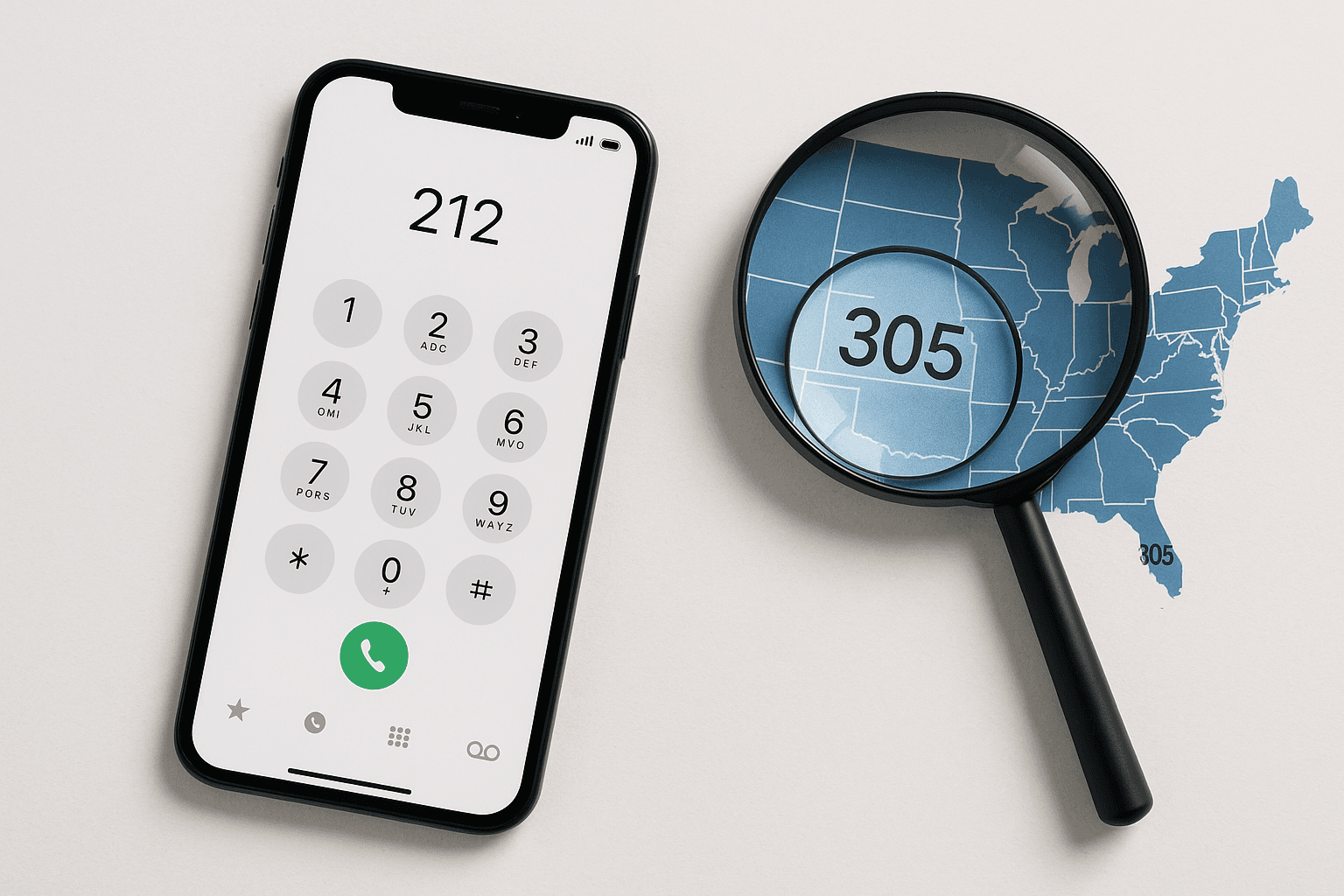
What Can an Area Code Tell You About a Phone Number?
TL;DR An area code reveals the geographic region where a phone number was originally assigned, whether it’s a landline or mobile number, and can help identify potential spam or scam calls. While area codes once definitively indicated a caller’s physical location, number portability and VoIP services have made this information less reliable. Area codes can […]