Why Does a Phone Number Show a Different Location?

By Razib Mojumder
TL;DR
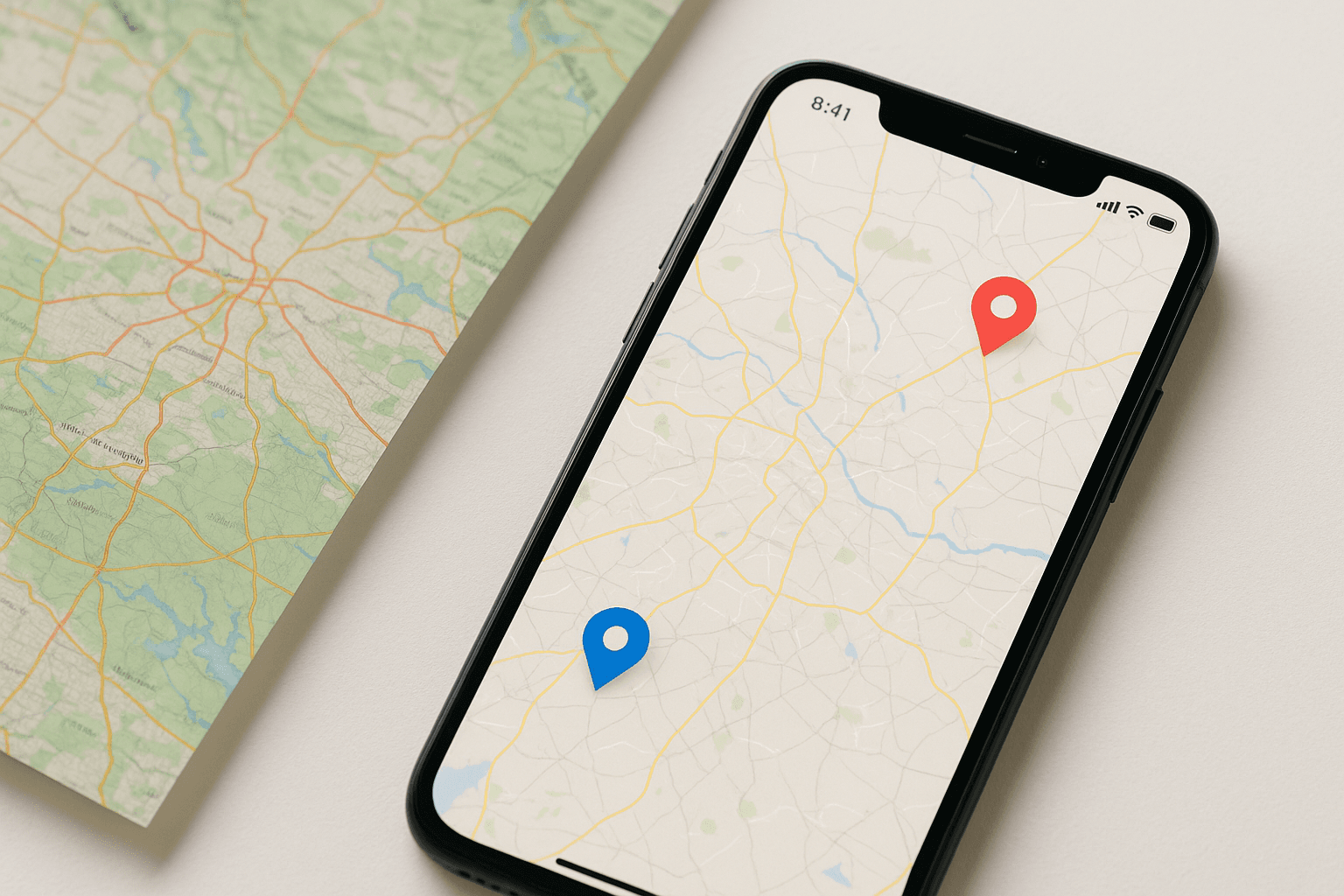
A phone number can show a different location than the caller’s actual whereabouts due to several factors including number portability, VoIP services, area code retention from previous residences, and caller ID spoofing. The location associated with a phone number’s area code reflects where the number was originally issued, not necessarily where the person is currently located or calling from. Modern telecommunications technology has essentially decoupled phone numbers from fixed geographic locations.
Understanding Area Codes and Geographic Assignment
Phone numbers in North America follow the North American Numbering Plan, which assigns three-digit area codes to specific geographic regions. When the system was first implemented in 1947, these area codes provided a reliable indicator of where a caller was physically located. A 212 area code meant New York City, 310 indicated Los Angeles, and so forth. However, this straightforward relationship between area codes and locations has broken down significantly over the decades as telecommunications technology has evolved and consumer needs have changed.
The initial purpose of area codes was purely functional, designed to help route calls through the analog telephone switching infrastructure of the time. Operators and automated systems used these codes to determine the physical path a call needed to travel through copper wires strung across the country. This system worked well when phones were literally tied to specific locations through physical landlines, but the mobile revolution changed everything.
Number Portability Changed Everything
One of the most significant reasons phone numbers show different locations is wireless number portability, which the Federal Communications Commission mandated in 2003. This regulation allows consumers to keep their phone number when switching carriers or moving between landline and wireless services. Before this change, switching phone companies meant getting an entirely new number, which created substantial inconvenience for consumers and businesses alike.
Number portability means someone can obtain a phone number with a Miami area code, then move to Seattle, switch carriers multiple times, and keep that same Miami number indefinitely. The number’s area code continues to suggest a Florida location even though the person might never return to that state. This phenomenon has become increasingly common as Americans have become more mobile and less willing to change phone numbers that are tied to their personal and professional identities.
The FCC’s number portability rules have fundamentally altered how we should interpret area codes. What was once a reliable geographic indicator is now merely a historical artifact showing where someone first obtained their number, which might have been years or even decades ago.
VoIP Technology and Virtual Phone Numbers
Voice over Internet Protocol (VoIP) services have further separated phone numbers from physical locations. Services like Google Voice, Skype, and various business communication platforms allow users to select phone numbers with virtually any area code regardless of where they actually live or work. A freelancer in Austin can choose a New York area code to establish presence in that market, while a business in Portland might use local numbers in a dozen different cities to appear locally accessible to customers nationwide.
VoIP technology routes calls over the internet rather than traditional phone lines, making the caller’s physical location completely irrelevant to the number they display. These services can forward calls to any device anywhere in the world, meaning the number showing on your caller ID might bear no relationship whatsoever to where the call originates. This flexibility offers tremendous benefits for businesses and remote workers but completely undermines area codes as location identifiers.
Business Practices and Toll-Free Numbers
Many businesses deliberately choose phone numbers that don’t reflect their actual location for strategic reasons. Companies frequently use toll-free numbers (800, 888, 877, etc.) that provide no geographic information at all, or they maintain local numbers in markets they serve despite having operations elsewhere. A customer service center might be located in one state but display numbers from dozens of different area codes depending on which customer is calling.
National retailers, healthcare systems, and service providers often implement sophisticated phone systems that route calls based on the customer’s location or account information while displaying different outbound numbers. This practice, while legitimate, means the number on your screen tells you nothing about where the business actually operates or where the person you’re speaking with is physically located.
Caller ID Spoofing and Fraudulent Practices
Unfortunately, not all instances of location mismatches are benign. Caller ID spoofing involves deliberately falsifying the phone number that appears on the recipient’s display, and it’s become a favored tactic of scammers and telemarketers. Fraudsters often spoof numbers with the same area code and prefix as the number they’re calling, a practice called “neighbor spoofing,” because people are more likely to answer calls that appear to be from their local area.
The Federal Trade Commission has addressed spoofing concerns by noting that scammers can make any number appear on caller ID, regardless of where they’re actually calling from. International scam operations routinely display U.S. phone numbers, and domestic scammers might show numbers from different states to evade law enforcement or exploit area codes that have higher answer rates. While spoofing for fraudulent purposes is illegal under the Truth in Caller ID Act, enforcement remains challenging and the practice continues to be widespread.
Cell Tower Location vs. Number Origin
When you receive a call from a mobile phone, the location that might appear on caller ID or in phone tracking applications could refer to several different things. The area code reflects where the number was originally issued or subsequently ported to, not where the caller is currently located. Meanwhile, cell tower data, which law enforcement and carriers can access, shows the approximate location where the call is actually being made from, but this information typically isn’t available to regular call recipients.
This distinction becomes important in emergency situations. When someone calls 911 from a mobile phone, dispatchers use cell tower triangulation and GPS data to locate the caller, not the area code. Emergency services have adapted to the reality that a 911 call with a Boston area code might be coming from someone currently traveling through Denver, and they’ve implemented systems to handle this disconnect between number origin and caller location.
International Calling and Virtual Presence
The globalization of business has created additional scenarios where phone numbers and locations diverge. International companies often maintain virtual phone numbers that appear to be local to specific countries or cities but actually route to call centers continents away. Someone calling what appears to be a London number might actually be connected to a facility in India or the Philippines, with the local number serving purely as a marketing tool to increase customer comfort and answer rates.
Similarly, travelers and expatriates might maintain phone numbers from their home countries while living abroad, using international roaming or VoIP forwarding to keep their original numbers active. This allows them to maintain continuity with contacts back home but means their phone number provides no indication of their current location.
What This Means for Call Recipients
The practical implication of all these factors is that you should never rely on a phone number’s area code to determine where a caller is actually located or whether a call is legitimate. A local area code doesn’t guarantee a local caller, and an unfamiliar area code doesn’t necessarily mean the caller is far away. This reality requires a shift in how we evaluate incoming calls, placing more emphasis on verifying the caller’s identity through other means rather than making assumptions based on the number alone.
For personal safety and fraud prevention, it’s better to assess calls based on whether you were expecting contact, whether the caller can verify information only a legitimate party would know, and whether the request being made seems reasonable. The phone number itself has become an unreliable indicator in the modern telecommunications landscape, where technology has prioritized flexibility and portability over geographic transparency.
Frequently Asked Questions
Can I determine someone’s actual location from their phone number?
No, you cannot reliably determine someone’s current location from their phone number alone. The area code only indicates where the number was originally issued, not where the person is currently located. Due to number portability, VoIP services, and the mobility of cell phone users, phone numbers have become disconnected from specific geographic locations. Only service providers and law enforcement with proper authorization can access real-time location data through cell tower information.
Why do I keep getting calls from my own area code that aren’t actually local?
This phenomenon is called “neighbor spoofing,” where scammers deliberately display phone numbers with your same area code and sometimes even the same three-digit prefix to make calls appear local. People are statistically more likely to answer calls that seem to be from their area, so fraudsters exploit this tendency by falsifying caller ID information. These calls are typically scams or illegal telemarketing, and the displayed number is fake.
If I move to a different state, do I need to change my phone number?
No, you are not required to change your phone number when moving to a different state. Thanks to number portability regulations, you can keep your existing phone number indefinitely regardless of where you live or which carrier you use. Many people choose to retain their original area code because changing numbers can be inconvenient for personal and professional contacts, even if the area code no longer reflects their location.
How do businesses have local numbers in cities where they don’t have offices?
Businesses use VoIP services and virtual phone systems that allow them to obtain local phone numbers in any area code they choose, regardless of their physical location. These numbers forward to the company’s actual location or call center, which might be in a completely different city, state, or even country. This practice helps businesses appear locally accessible to customers in different markets without maintaining physical offices in each location.
Is caller ID spoofing illegal?
Caller ID spoofing is illegal when done with the intent to defraud, cause harm, or wrongfully obtain something of value, according to the Truth in Caller ID Act. However, there are legitimate uses of spoofing, such as when doctors call patients from their personal phones but display the office number, or when businesses display a central number instead of individual employee lines. The legality depends on the intent and whether the spoofing is used for fraudulent purposes.
Why does my phone sometimes show a city name instead of just the area code?
Some phones and caller ID systems attempt to display the city or region associated with an area code, but this information is based on where the number was originally assigned, not where the caller is actually located. This feature is meant to be helpful but can be misleading given number portability and VoIP services. The city name displayed is essentially just a lookup of what region that area code traditionally serves, not real-time location data.
Can I track a spam caller’s location through their phone number?
No, you cannot track a spam caller’s actual location through the phone number they display. Spam callers routinely use spoofed numbers that aren’t actually theirs, making the displayed number meaningless for tracking purposes. Even if the number weren’t spoofed, number portability and VoIP services mean the area code wouldn’t reveal the caller’s location. Your best option is to block the number and report persistent spam calls to your carrier and the Federal Trade Commission.
Editorial Standards & Fact Checking
At NumLocate, our telecommunications and privacy guides are independently researched, cross-referenced with official FCC guidelines and carrier numbering plans, and reviewed to ensure consumer safety and accuracy.

Written by Razib Mojumder
Telecommunications & Digital Privacy Specialist
Razib is the lead researcher at NumLocate, specializing in caller ID authentication protocols, STIR/SHAKEN anti-spoofing frameworks, and practical digital privacy tools for everyday consumers.
Related Articles
 Phone Lookup
What Does Scam Likely Mean on Caller ID?
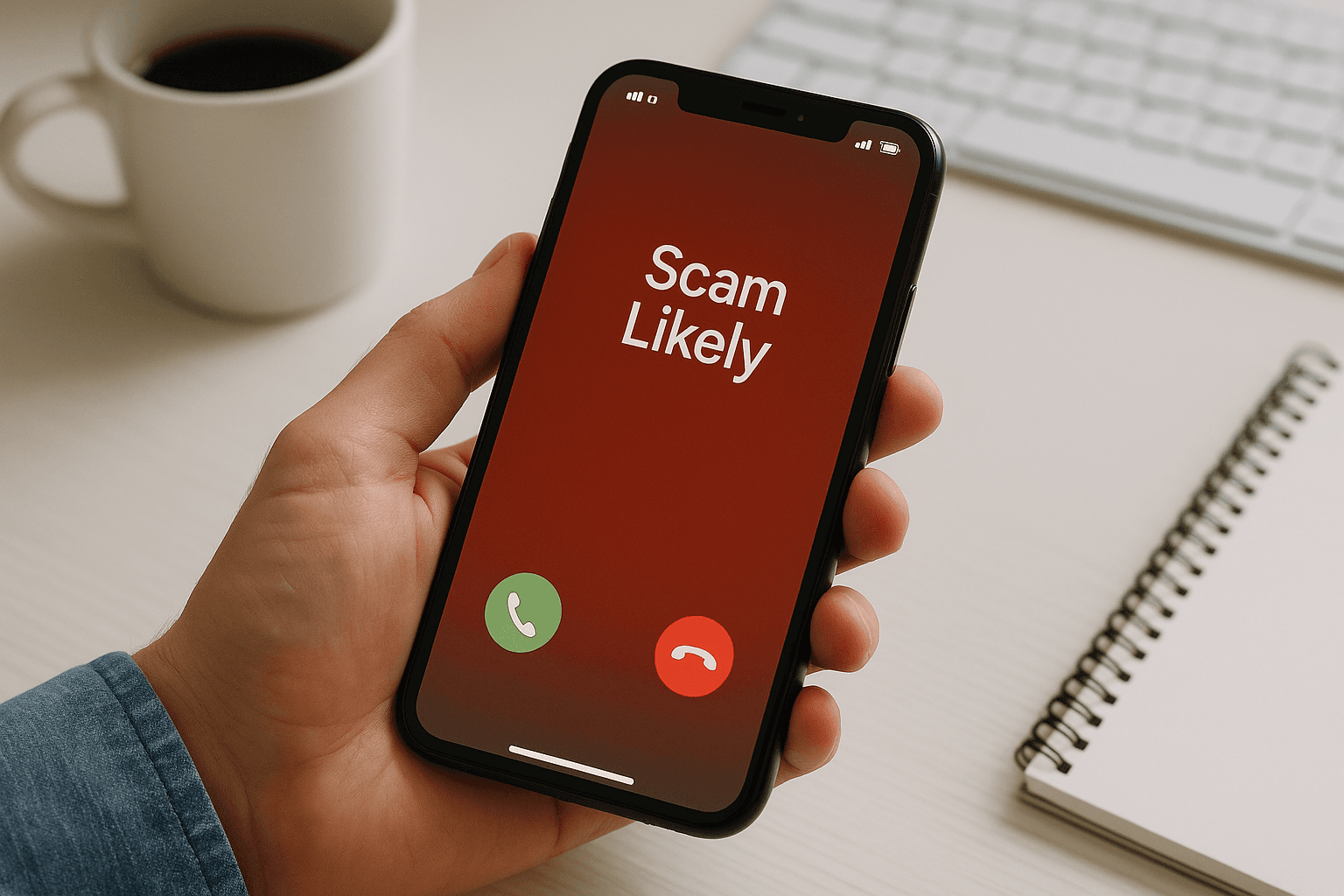
TL;DR “Scam Likely” on your caller ID is a warning label that your phone carrier automatically displays when an incoming call is suspected to be fraudulent or a scam. Major carriers like T-Mobile, AT&T, and Verizon use call analytics technology to identify suspicious calling patterns and flag these numbers before you answer. When you see […]
 Phone Lookup
Why Do Old Phone Numbers Have New Owners?
TL;DR Old phone numbers get reassigned to new owners because telecommunications carriers recycle disconnected numbers after a waiting period to manage the limited supply of available phone numbers. When someone cancels their service, switches carriers, or stops paying their bill, their number enters a holding period before returning to the available pool. This recycling process […]
 Phone Lookup
What Can an Area Code Tell You About a Phone Number?
TL;DR An area code reveals the geographic region where a phone number was originally assigned, whether it’s a landline or mobile number, and can help identify potential spam or scam calls. While area codes once definitively indicated a caller’s physical location, number portability and VoIP services have made this information less reliable. Area codes can […]