
Can Reverse Phone Lookup Identify a VoIP Number?

By Razib Mojumder
TL;DR
Reverse phone lookup services can identify VoIP numbers, but the results are often less detailed than traditional landline or mobile lookups. Most reverse lookup tools will reveal that a number uses Voice over Internet Protocol technology and may identify the VoIP service provider, but they typically cannot provide the actual subscriber’s personal information due to how VoIP numbers are registered and the privacy protections many VoIP services offer. Free reverse lookup tools usually provide minimal information about VoIP numbers, while paid services may offer slightly more context about the carrier and location data associated with the number.
Understanding VoIP Numbers and Their Characteristics
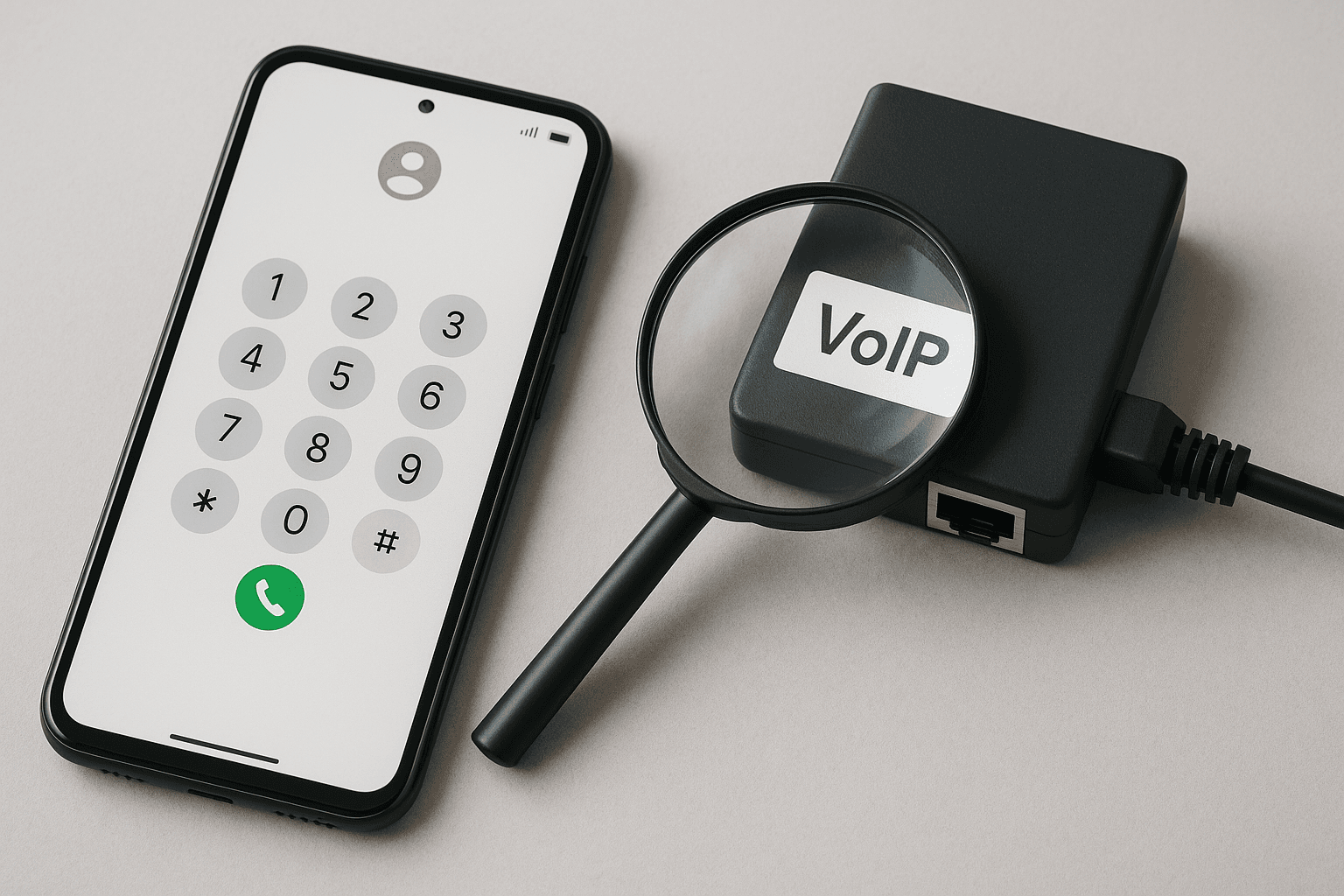
Voice over Internet Protocol numbers function differently from traditional phone numbers because they transmit calls over the internet rather than through conventional telephone lines. This fundamental difference affects how much information is publicly available when someone attempts a reverse lookup. VoIP numbers can be obtained quickly, often without the same verification requirements that traditional carriers impose, and users can select numbers from virtually any area code regardless of their physical location.
The flexibility and anonymity of VoIP technology make these numbers popular for both legitimate business use and unfortunately for spam callers and scammers. When you receive a call from a VoIP number, the caller ID information may display a local area code even though the person calling could be anywhere in the world. This portability and ease of acquisition create significant challenges for anyone trying to trace or identify the actual person behind a VoIP number.
How Reverse Phone Lookup Works with VoIP Numbers
Reverse phone lookup services query various databases that contain phone number information, including carrier data, registration details, and publicly available records. When you enter a VoIP number into these services, they search through telecommunications databases to find whatever information is associated with that number. The Federal Communications Commission regulates both traditional and VoIP phone services, but the information available for each type varies significantly.
Traditional phone numbers are tied to specific addresses and billing accounts that appear in public directories and carrier databases. VoIP numbers, however, are registered differently. Many VoIP providers allow users to sign up with minimal information, and the numbers themselves are not necessarily linked to physical addresses in the same way landlines are. When a reverse lookup service identifies a VoIP number, it can typically determine which provider issued the number and sometimes the general geographic region associated with it, but obtaining the subscriber’s identity is far more difficult.
What Information You Can Typically Find
When performing a reverse lookup on a VoIP number, you can usually discover several pieces of information. The lookup will identify that the number uses VoIP technology rather than being a traditional landline or standard mobile number. You will often see the name of the VoIP service provider, such as Google Voice, Skype, RingCentral, or other popular services. The original area code and the general region it was supposedly assigned to will appear, though this does not necessarily indicate where the caller is actually located.
Some reverse lookup services also provide user-generated data, which can be surprisingly valuable. If other people have received calls from the same VoIP number and reported it as spam, a telemarketing call, or associated it with a specific business or scam, this crowdsourced information may appear in your search results. This type of community-reported data often proves more useful than the technical carrier information when trying to determine if a VoIP caller is legitimate.
Limitations and Privacy Protections
The biggest limitation when looking up VoIP numbers is that many providers prioritize user privacy and do not publish subscriber directories. Unlike traditional phone companies that historically maintained public white pages, most VoIP services operate under different business models that emphasize privacy and convenience. Users appreciate this anonymity, but it frustrates those trying to identify unknown callers.
Additionally, VoIP numbers can be easily changed, abandoned, or transferred between users without leaving the same paper trail that accompanies traditional phone service changes. A VoIP number that was associated with one person or business last month might be completely inactive or reassigned to someone else today, making historical lookup data less reliable than it would be for conventional phone numbers.
Differences Between Free and Paid Lookup Services
Free reverse phone lookup services typically provide only the most basic information about VoIP numbers. These services will confirm whether a number is VoIP-based and might identify the service provider, but they rarely offer detailed subscriber information. Free services primarily rely on publicly available databases and user-submitted reports, which means the information quality varies significantly depending on how many other people have searched for or reported the same number.
Paid reverse lookup services claim to access more comprehensive databases and may provide additional context about VoIP numbers. These premium services often compile information from multiple sources, including business directories, social media profiles, and other public records that might be linked to a phone number. However, even paid services struggle with VoIP numbers compared to their success rate with traditional phone lines. The Federal Trade Commission tracks consumer privacy issues related to phone number data, and their guidance reflects the reality that VoIP information is inherently more protected than traditional phone data.
Alternative Methods for Identifying VoIP Callers
When reverse phone lookup falls short, several alternative approaches can help identify VoIP callers. Searching the phone number directly in a search engine often yields results if the number has been used for business purposes, posted on websites, or reported by other users on scam-reporting platforms. Social media searches can also be effective, as some people link their VoIP numbers to their profiles or use them for business accounts.
Examining the context of the call provides valuable clues as well. If the caller left a voicemail, the message content, background noise, and the caller’s language might offer insights about their identity or intentions. Legitimate businesses using VoIP numbers typically identify themselves clearly and provide callback information that checks out when verified independently.
For persistent unwanted calls from VoIP numbers, reporting the number to your phone carrier and registering your number with the National Do Not Call Registry can help, though VoIP technology makes enforcement more challenging. Blocking the number on your device prevents future calls, and modern smartphones include increasingly sophisticated spam detection features that can identify suspicious VoIP calls before you answer.
Why VoIP Numbers Are Harder to Trace
The technical architecture of VoIP services inherently makes these numbers more difficult to trace than traditional phone numbers. VoIP calls route through internet servers that may be located in different jurisdictions than the caller, and the actual voice data can travel through multiple networks before reaching its destination. This complexity creates jurisdictional challenges for law enforcement and makes real-time tracing nearly impossible without cooperation from the VoIP service provider.
VoIP services often use encryption to protect user privacy, which is beneficial for legitimate users but also shields malicious callers from easy identification. The low cost and minimal barriers to obtaining VoIP numbers mean that bad actors can acquire multiple numbers quickly and discard them just as easily if they become associated with spam or fraud complaints. This disposable nature of VoIP numbers reduces the effectiveness of blocking and reporting mechanisms that work reasonably well for traditional phone numbers.
Legal and Ethical Considerations
Attempting to identify the owner of a phone number through reverse lookup services raises important privacy considerations. While looking up a number that called you is generally legal, how you use that information matters significantly. Privacy laws protect personal information, and using reverse lookup data for harassment, stalking, or unauthorized commercial purposes can violate both civil and criminal statutes.
Law enforcement agencies have legal mechanisms to obtain subscriber information from VoIP providers when investigating crimes, but private individuals do not have access to these same tools. If you are receiving threatening or harassing calls from a VoIP number, documenting the calls and reporting them to local authorities is the appropriate response rather than attempting to trace the caller yourself. Police can work with VoIP providers through proper legal channels to identify subscribers when warranted by the circumstances.
Frequently Asked Questions
Can I find out who owns a Google Voice number?
Identifying the specific owner of a Google Voice number through public reverse lookup services is extremely difficult because Google does not publish subscriber information in accessible databases. A reverse lookup will reveal that the number belongs to Google Voice, but obtaining the actual user’s identity requires legal process such as a subpoena. If someone is using a Google Voice number for business purposes, you might find their identity through other means like web searches or business directories where they have listed the number.
Are VoIP numbers shown as mobile or landline in lookups?
Reverse phone lookup services typically classify VoIP numbers as a separate category distinct from traditional mobile or landline numbers. Most modern lookup tools will specifically identify a number as VoIP or internet-based rather than categorizing it as either mobile or landline. However, some older or less sophisticated services might incorrectly classify VoIP numbers based on their area code or the type of device used to make the call.
Why do scammers prefer using VoIP numbers?
Scammers favor VoIP numbers because they are inexpensive, easy to obtain without extensive verification, and difficult to trace. VoIP services allow users to select any area code regardless of location, enabling scammers to make calls appear local to their targets. The numbers can be quickly discarded and replaced if they become associated with complaints or blocked by potential victims, making it nearly impossible for authorities to shut down scam operations by targeting specific phone numbers.
Can my phone carrier tell me if a number is VoIP?
Your phone carrier can often identify whether an incoming call originates from a VoIP service based on the routing information transmitted with the call. Many modern smartphones and carrier networks include spam detection features that flag VoIP numbers associated with suspicious activity. If you contact your carrier’s customer service about a specific number, they may be able to confirm whether it is VoIP-based, though they cannot provide subscriber details for privacy and regulatory reasons.
Do VoIP providers give information to reverse lookup services?
Most VoIP providers do not voluntarily share customer information with reverse phone lookup services or public databases. These companies typically prioritize customer privacy as a competitive advantage and only release subscriber information when legally compelled through subpoenas or court orders. This policy stance significantly limits the effectiveness of reverse lookup services when dealing with VoIP numbers compared to their success with traditional phone services that maintain more accessible public records.
Is there any way to block all VoIP calls?
While you cannot block all VoIP calls completely without potentially blocking legitimate calls from businesses and contacts who use VoIP services, many smartphones and third-party apps offer settings to automatically screen or filter calls from VoIP numbers. Some carriers provide enhanced call filtering services that can identify and block suspicious VoIP calls based on pattern analysis and reputation databases. Complete blocking is impractical because many legitimate organizations now use VoIP technology for cost-effective communication.
What should I do if I receive suspicious calls from a VoIP number?
If you receive suspicious calls from a VoIP number, the first step is to avoid engaging with the caller or providing any personal information. Block the number on your device to prevent repeat calls, and report it to your phone carrier if the calls are harassing or threatening. You can also file complaints with the Federal Trade Commission if the calls involve scams or violations of telemarketing laws. Document the date, time, and nature of the calls in case you need to provide evidence to authorities or your phone carrier. Never call back numbers you do not recognize, as this can confirm your number is active and lead to more unwanted calls.
Editorial Standards & Fact Checking
At NumLocate, our telecommunications and privacy guides are independently researched, cross-referenced with official FCC guidelines and carrier numbering plans, and reviewed to ensure consumer safety and accuracy.

Written by Razib Mojumder
Telecommunications & Digital Privacy Specialist
Razib is the lead researcher at NumLocate, specializing in caller ID authentication protocols, STIR/SHAKEN anti-spoofing frameworks, and practical digital privacy tools for everyday consumers.
Related Articles
 Phone Lookup
What Does Scam Likely Mean on Caller ID?
TL;DR “Scam Likely” on your caller ID is a warning label that your phone carrier automatically displays when an incoming call is suspected to be fraudulent or a scam. Major carriers like T-Mobile, AT&T, and Verizon use call analytics technology to identify suspicious calling patterns and flag these numbers before you answer. When you see […]
 Phone Lookup
Why Do Old Phone Numbers Have New Owners?
TL;DR Old phone numbers get reassigned to new owners because telecommunications carriers recycle disconnected numbers after a waiting period to manage the limited supply of available phone numbers. When someone cancels their service, switches carriers, or stops paying their bill, their number enters a holding period before returning to the available pool. This recycling process […]
 Phone Lookup
What Can an Area Code Tell You About a Phone Number?
TL;DR An area code reveals the geographic region where a phone number was originally assigned, whether it’s a landline or mobile number, and can help identify potential spam or scam calls. While area codes once definitively indicated a caller’s physical location, number portability and VoIP services have made this information less reliable. Area codes can […]