TL;DR
Yes, you can look up toll-free phone numbers through several reliable methods. The most effective approaches include using reverse phone lookup services, searching the official databases maintained by toll-free number administrators, checking company websites directly, or consulting the Better Business Bureau. While toll-free numbers are publicly available, finding detailed ownership information may require contacting the Responsible Organization that manages the specific number or using specialized business search tools.
Understanding Toll-Free Numbers and Their Purpose
Toll-free numbers have become an integral part of how businesses communicate with customers across the United States and beyond. These numbers, beginning with prefixes like 800, 888, 877, 866, 855, 844, and 833, allow callers to reach organizations without incurring long-distance charges. The business or entity that owns the number pays for all incoming calls, making it a customer-friendly communication channel that encourages contact.
Unlike regular phone numbers tied to specific geographic locations, toll-free numbers exist in a national database managed by entities called Responsible Organizations. These organizations handle the registration, routing, and administration of toll-free numbers under oversight from the Federal Communications Commission. This structure means that toll-free numbers have different lookup procedures compared to standard landline or mobile numbers.
Primary Methods to Look Up Toll-Free Numbers
When you need to verify a toll-free number or discover who operates it, several practical methods can provide the information you need. Each approach offers different levels of detail and serves specific purposes.
Reverse Phone Lookup Services
Reverse phone lookup tools represent one of the most accessible methods for researching toll-free numbers. These services maintain extensive databases that cross-reference phone numbers with business names, addresses, and sometimes additional contact information. Many reverse lookup services offer basic searches at no cost, though comprehensive reports typically require payment.
The quality and accuracy of reverse lookup results vary significantly between providers. Established services update their databases regularly and draw information from public records, business registrations, and user-submitted data. When using these tools, you simply enter the toll-free number and receive available information about the registered business or organization.
Official Toll-Free Number Databases
The most authoritative source for toll-free number information comes from the SMS/800 database, which serves as the official registry for all toll-free numbers in North America. Responsible Organizations have direct access to this system, and while general consumers cannot search it directly, you can contact a Responsible Organization to request information about a specific toll-free number.
This official channel becomes particularly valuable when you need verified, up-to-date information about number ownership or when dealing with potential fraud investigations. The Responsible Organization can confirm whether a toll-free number is active, who holds it, and when it was registered.
Direct Company Website Searches
Often the simplest method involves visiting the website of the business you believe owns the toll-free number. Most companies prominently display their customer service numbers on their contact pages, and you can quickly verify whether the number matches what you have. This approach works well when you already have some idea about the number’s owner and want to confirm legitimacy before making contact.
Better Business Bureau Verification
The Better Business Bureau maintains detailed business profiles that include contact information, including toll-free numbers. Searching their database serves the dual purpose of looking up the number and checking the company’s reputation simultaneously. This method proves especially useful when you receive unsolicited calls from toll-free numbers and want to assess whether the business operates legitimately.
Why You Might Need to Look Up a Toll-Free Number
Understanding the motivations behind toll-free number lookups helps explain why multiple search methods exist and why accuracy matters. People research these numbers for various legitimate reasons that extend beyond simple curiosity.
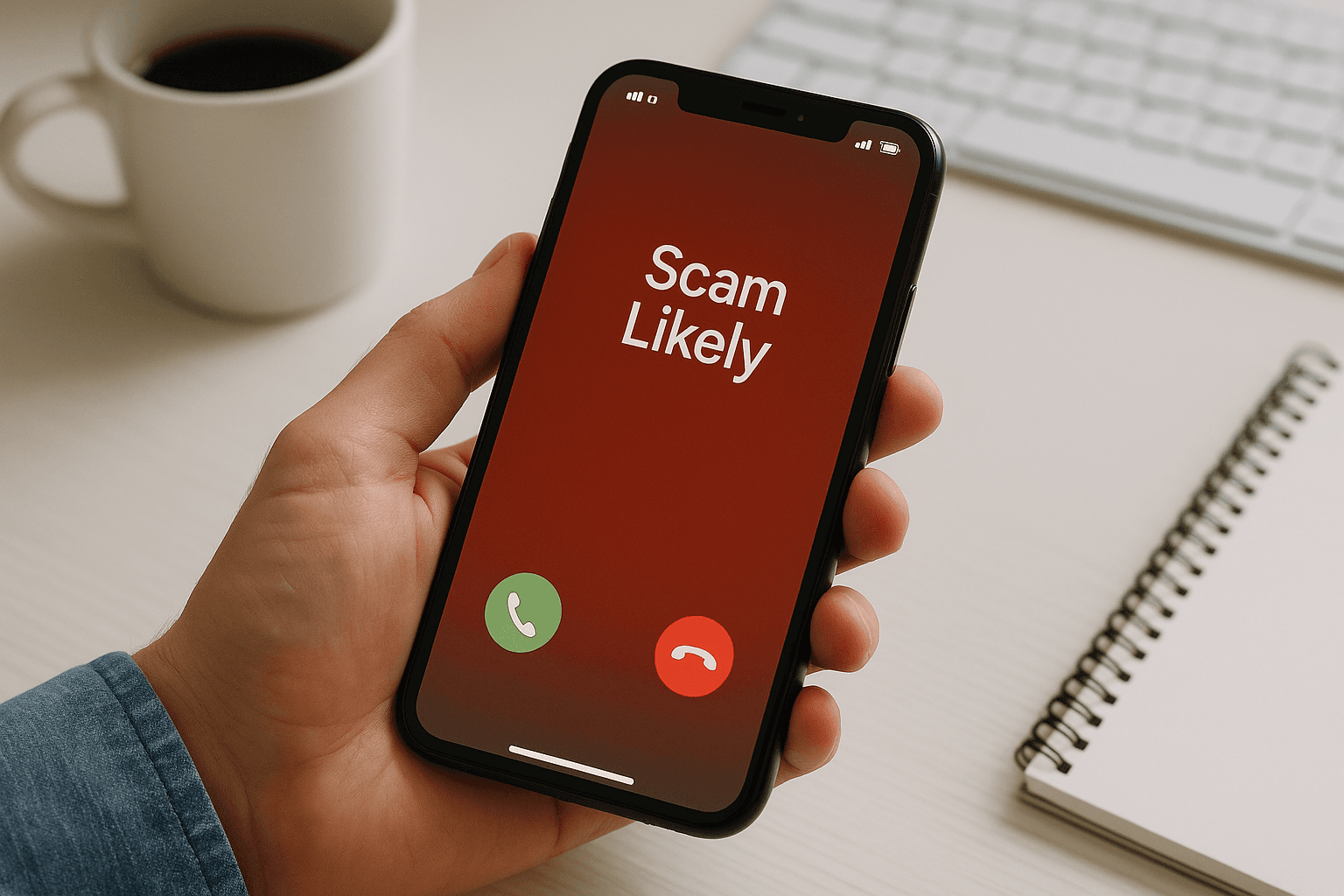
Scam prevention ranks among the most common reasons for toll-free lookups. Fraudsters increasingly use toll-free numbers to appear legitimate, creating a pressing need for consumers to verify caller identities before sharing personal information. When a call claims to come from your bank, a government agency, or a well-known retailer, looking up the number provides a crucial verification step that can prevent identity theft and financial fraud.
Business verification represents another frequent use case. Before engaging with a new vendor, service provider, or potential employer, responsible consumers and businesses check contact information to ensure they’re dealing with established, legitimate entities. A toll-free number that traces back to a verified business address and matches information on official websites provides reassurance about authenticity.
Customer service follow-ups also drive toll-free searches. You might receive a voicemail from a toll-free number regarding a service issue, insurance claim, or delivery problem. Looking up the number helps you determine whether the message came from a company you actually do business with or represents an attempt to phish for information.
Challenges and Limitations in Toll-Free Number Lookups
Despite multiple available methods, looking up toll-free numbers comes with inherent challenges that sometimes prevent straightforward identification. Understanding these limitations helps set realistic expectations and guides you toward the most effective search strategies.
Database accuracy varies considerably across different lookup services. Toll-free numbers can change hands between businesses, get reassigned after periods of inactivity, or serve multiple entities through call routing systems. Free lookup services may contain outdated information, leading to incorrect conclusions about who currently operates a specific number.
Privacy considerations also complicate toll-free lookups. While these numbers serve public-facing purposes, the detailed ownership information remains somewhat protected. Unlike residential phone numbers that might appear in public directories, toll-free number details are maintained in controlled databases with access restrictions designed to prevent harassment and protect business operations.
Caller ID spoofing presents another significant obstacle. Scammers can display any toll-free number they choose on your caller ID, even if they don’t actually control that number. This means that looking up the displayed number might lead you to a legitimate business that has nothing to do with the actual caller. This tactic makes verification more complex and underscores why you should never call back unknown numbers without independent verification.
Best Practices for Verifying Toll-Free Numbers
Effective toll-free number verification requires a methodical approach that combines multiple information sources rather than relying on a single lookup method. When you receive a call from an unfamiliar toll-free number, resist the urge to return the call immediately or provide information to the caller.
Start by searching the number through multiple reverse lookup services to see if consistent information appears across platforms. Cross-reference these results with the company’s official website by navigating there independently rather than clicking links in emails or text messages. The Federal Trade Commission provides guidance on recognizing and reporting suspicious communications that can help you assess whether a toll-free number represents a legitimate business contact or a scam attempt.
When dealing with urgent claims about account problems, security issues, or legal matters, contact the organization directly using a phone number you find independently through their official website or your account statements. This extra step takes only moments but can prevent serious financial and personal consequences.
Document suspicious toll-free numbers by saving voicemails, taking screenshots of text messages, and recording the date and time of contact attempts. This information becomes valuable if you need to report fraud to authorities or dispute unauthorized charges.
Frequently Asked Questions
Are all toll-free number lookups free?
Basic toll-free number lookups are often free through reverse phone lookup services, but detailed reports that include ownership history, associated addresses, and comprehensive business information typically require payment. Official verification through Responsible Organizations or business registries may also involve fees depending on the specific service and level of detail requested.
Can I find the owner of a toll-free number that called me?
You can often identify the business associated with a toll-free number through reverse lookup services or by contacting the Responsible Organization that manages toll-free number registrations. However, if the caller used spoofing techniques to display a false number, your lookup will only reveal who legitimately owns that number, not who actually called you.
What should I do if a toll-free number lookup shows different information than the caller claimed?
If lookup results don’t match what the caller told you, treat this as a red flag for potential fraud. Do not provide personal information or return the call. Instead, contact the organization the caller claimed to represent using a verified phone number from their official website or your account documentation to determine if they actually attempted to reach you.
How often do toll-free numbers change ownership?
Toll-free numbers can change ownership when businesses close, sell operations, or choose different contact methods. Numbers may also be reassigned after remaining inactive for specific periods defined by regulatory guidelines. This fluidity means that lookup databases require regular updates to maintain accuracy, and older information may not reflect current ownership.
Can businesses hide their toll-free number ownership information?
While toll-free numbers are registered in official databases, detailed ownership information is not always publicly accessible through simple searches. Businesses have legitimate privacy interests, and certain information remains available only through formal requests to Responsible Organizations or regulatory authorities. This limited access protects companies from harassment while still allowing legitimate verification for fraud prevention.
Is it safe to call back a toll-free number that left a voicemail?
Calling back an unknown toll-free number carries risks because scammers often leave vague, urgent-sounding messages designed to prompt callbacks. Before returning any call, look up the number independently, verify it matches the organization mentioned in the message, and consider contacting the company through a verified number from their official website instead.
Do toll-free number lookup services work for international numbers?
Most toll-free lookup services focus on North American numbers with standard prefixes like 800, 888, 877, 866, 855, 844, and 833. International toll-free numbers operate under different systems and require country-specific lookup methods. If you need to verify an international toll-free number, search for lookup services specific to that country’s telecommunications system.



 Phone Lookup
 Phone Lookup
 Phone Lookup