
What Information Can You Find Using Reverse Phone Lookup?

By Razib Mojumder
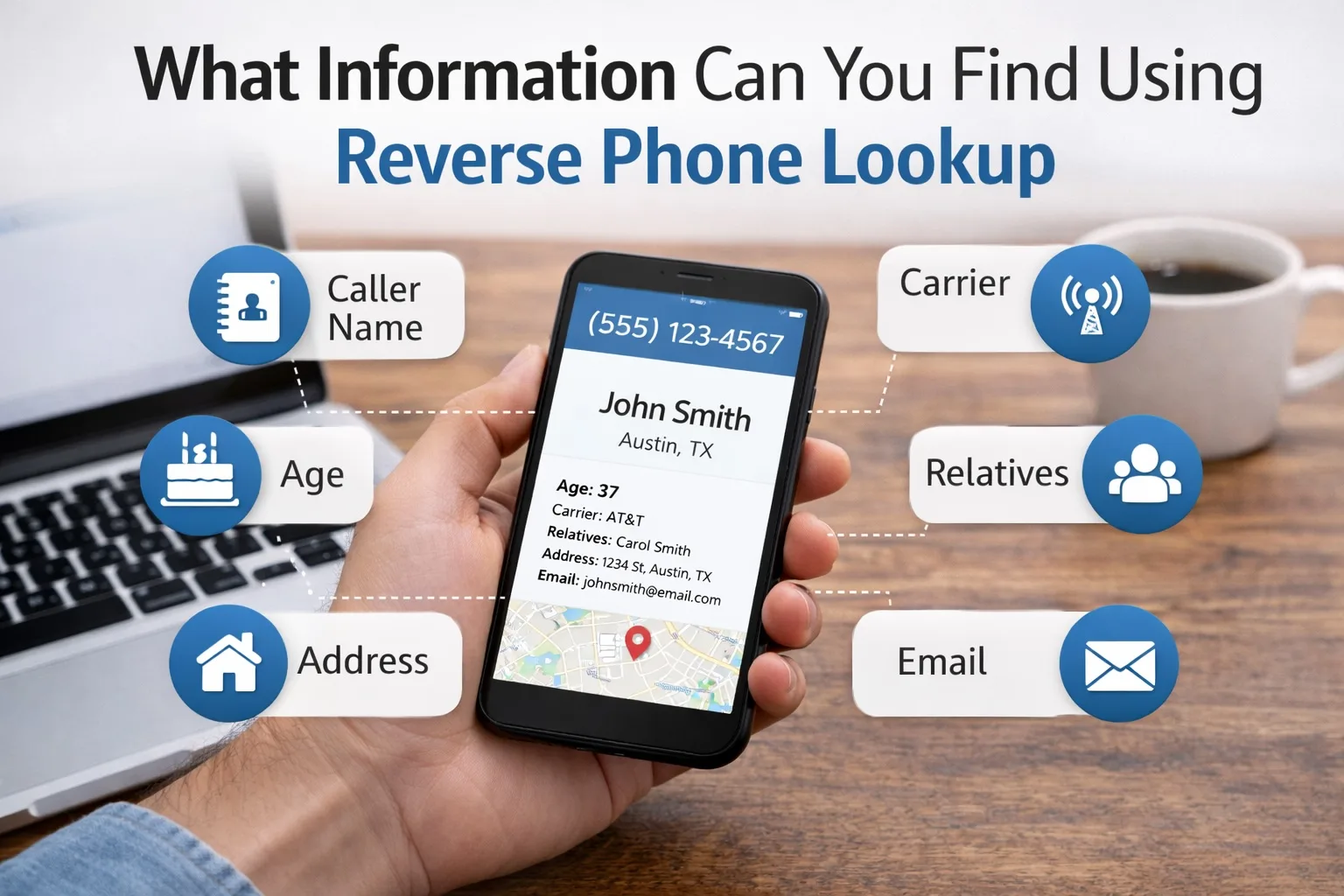
Getting calls from unknown numbers is more than just annoying—it can be concerning. Whether it’s a persistent telemarketer, a potential scammer, or someone claiming to be from your bank, you need to know who’s on the other end before engaging. Reverse phone lookup services give you the power to identify callers and protect yourself from fraud.
But what exactly can these services tell you? The answer depends on the type of number, the service you use, and how much information is publicly available. Some searches return basic details like the carrier and location, while others can uncover the caller’s full name, address, social media profiles, and even criminal records.
Basic Caller Information
Every phone number lookup starts with fundamental details that help you understand who might be calling.
Phone Number Owner’s Name
Most reverse phone lookup services can identify the registered owner of a phone number. For landlines, this information comes from public directories and telecommunications records. The accuracy is typically high because landline numbers are registered to specific addresses.
Mobile numbers present more challenges. While some people list their cell phones in public directories, many don’t. Premium services access additional databases that include social media registrations, online account sign-ups, and other sources where people have linked their numbers to their identities.
Current and Previous Addresses
When a phone number is registered to a specific location, lookup services can reveal both current and historical addresses. This proves particularly useful when:
- Verifying someone’s claimed location
- Researching a potential business partner
- Confirming delivery addresses for online transactions
- Investigating suspicious calls claiming to be from local authorities
Address information typically includes the full street address, city, state, and ZIP code. Some services also provide property details like ownership records and estimated property values.
Carrier and Line Type
Every search tells you which telecommunications company provides service for that number. You’ll learn whether it’s AT&T, Verizon, T-Mobile, or a smaller regional carrier.
The line type classification helps you understand the nature of the number:
| Line Type | What It Means | Common Uses |
|---|---|---|
| Landline | Traditional wired phone | Home phones, business lines |
| Mobile | Cellular service | Personal cell phones |
| VoIP | Internet-based phone | Business systems, app-based numbers |
| Toll-Free | 800/888/877 numbers | Customer service lines |
| Premium | 900 numbers | Paid services, hotlines |
Scammers often use VoIP numbers because they’re cheap and easy to obtain without thorough verification. Identifying a suspicious call as VoIP immediately raises red flags.
Location and Geographic Data
Area Code Origin
The area code tells you where a number was originally registered, though number portability means people can keep their numbers when moving. Still, this information helps establish patterns—if you’re getting calls from a 212 area code (New York City) but you have no connections to New York, that’s worth noting.
Current Location Tracking
For mobile numbers, some advanced services can provide approximate current location data based on cell tower connections and GPS data (where legally available). This feature works differently than real-time tracking apps and relies on publicly available location data from various sources.
Info: Location data accuracy varies significantly. Landlines provide precise locations because they’re tied to physical addresses. Mobile numbers might only reveal the city or region, not exact coordinates.
Social Media and Online Presence
Connected Social Profiles
Modern phone number lookup goes beyond traditional directory information. Many people link their phone numbers to social media accounts for login verification and account recovery. Advanced lookup services scan these connections to find:
- Facebook profiles and activity
- LinkedIn professional information
- Instagram accounts
- Twitter/X handles
- TikTok profiles
- Dating app profiles
This social media connection serves multiple purposes. You can verify someone’s identity by comparing their claimed information against their online presence. You might also discover mutual connections that help establish trust or identify potential risks.
Email Addresses
Phone numbers often link to email addresses in various databases. When someone signs up for online services, newsletters, or creates accounts, they frequently provide both contact methods. Reverse phone lookup can reveal:
- Primary email addresses
- Alternative email accounts
- Work email addresses
- Disposable email addresses (which might indicate suspicious behavior)
Online Activity and Digital Footprint
Beyond social media, comprehensive searches can uncover:
- Business registrations and professional licenses
- Domain registrations (if they own websites)
- Online reviews they’ve written
- Forum posts and community participation
- Public records of online transactions
Background and Public Records
Criminal History
Some reverse phone lookup services include background check features that reveal criminal records associated with the phone number’s owner. This includes:
- Felony and misdemeanor convictions
- Arrest records
- Warrants
- Sex offender registry status
- Traffic violations
These searches pull from public court records and law enforcement databases. The information helps you make informed decisions about engaging with unknown callers, especially in situations involving potential employment, housing, or personal safety.
Court Records and Lawsuits
Public court databases contain information about civil cases, bankruptcies, and legal disputes. A phone number lookup might reveal:
- Pending lawsuits
- Small claims court cases
- Bankruptcy filings
- Divorce records
- Property disputes
Professional Licenses and Credentials
If the caller claims professional credentials, you can verify them through reverse phone lookup. Many services access licensing boards to confirm:
- Medical licenses
- Legal certifications (bar membership)
- Real estate licenses
- Contractor certifications
- Financial advisor registrations
This verification proves critical when someone calls claiming to offer professional services.
Business and Commercial Information
Company Details
When a business number appears, lookup services provide comprehensive company information:
- Official business name and DBA (“doing business as”) names
- Business address and contact information
- Industry classification
- Years in operation
- Business registration status
Business Reputation Data
Beyond basic information, you’ll find reputation indicators:
- Better Business Bureau ratings and complaints
- Customer reviews from Google, Yelp, and other platforms
- Complaint history with consumer protection agencies
- Scam reports from databases like ScamPulse and 800Notes
Pros:
- Instantly identify unknown callers without answering
- Verify business legitimacy before sharing personal information
- Screen potential tenants, employees, or business partners
- Protect yourself from phone scams and fraud
- Reconnect with old contacts when you only have their number
Cons:
- Mobile number information may be limited or outdated
- Some services require payment for detailed reports
- VoIP and burner phone numbers often return minimal data
- Information accuracy depends on how recently databases were updated
- Privacy concerns when your own information appears in searches
Spam and Scam Identification
User-Reported Spam
Crowdsourced databases collect reports from millions of users who identify spam calls. When you search a number, you’ll see:
- Total number of spam reports
- Specific scam types (IRS impersonation, tech support fraud, etc.)
- Recent activity patterns
- User comments describing their experiences
These community reports often provide the fastest warning about new scam operations before official databases catch up.
Known Scam Patterns
Lookup services maintain databases of numbers associated with common scams:
- Robocall operations
- Phishing attempts
- Fake debt collection
- IRS and government impersonation
- Tech support scams
- Prize and lottery fraud
Additional Contact Information
Alternative Phone Numbers
Comprehensive searches often reveal other phone numbers associated with the same person or business:
- Additional mobile numbers
- Home and office landlines
- Fax numbers
- Previous phone numbers they’ve used
This information helps you identify when the same individual uses multiple numbers to contact you repeatedly—a common tactic in harassment or scam situations.
Relatives and Associates
Advanced people search features included in some phone lookup services identify:
- Family members and their contact information
- Known associates and business partners
- Neighbors and roommates
- Household members
While this seems invasive, this data comes entirely from public records like voter registrations, property records, and court documents.
What You Won’t Find
Understanding the limitations helps set realistic expectations:
Private or Unlisted Numbers: People who pay for unlisted status or use privacy services may have limited information available.
Prepaid Burner Phones: These numbers often return only carrier information because they’re not registered to specific individuals.
Brand New Numbers: Recently activated numbers may not yet appear in lookup databases, which typically update monthly or quarterly.
Protected Information: Certain individuals have legal protections that keep their information private, including:
- Law enforcement officers
- Judges and court officials
- Domestic violence victims with protection orders
- Witnesses in criminal cases
- People enrolled in address confidentiality programs
Real-Time Location: Despite what movies suggest, standard reverse phone lookup doesn’t provide GPS tracking or real-time location monitoring. That requires different technology and legal authority.
How to Get the Most Complete Information
Use Multiple Sources
No single database contains everything. Free services like carrier lookup tools provide basic information, while premium services access more comprehensive databases. Cross-referencing multiple sources gives you the most complete picture.
Search More Than Just the Number
Once you have a name from your phone lookup, searching that name separately often reveals additional information not directly linked to the phone number. Similarly, searching an associated email address or social media profile can uncover connections the phone lookup missed.
Check Recent Updates
Database freshness matters. Some services update daily, others monthly. Look for services that indicate when their data was last refreshed, especially for time-sensitive situations like verifying a caller claiming urgency.
Understand Data Sources
Quality services disclose where their information comes from:
- Public records (court documents, property records, voter registration)
- Telecommunications databases
- Social media platforms
- User-submitted reports
- Commercially available data compilations
- Government databases
Knowing the source helps you assess reliability.
Privacy Considerations
While reverse phone lookup accesses publicly available information, consider the ethical implications:
Legitimate Uses:
- Identifying unknown callers for safety
- Verifying business contacts
- Researching potential tenants or employees (with proper disclosure)
- Protecting yourself from scams
- Reconnecting with lost contacts
Questionable Uses:
- Stalking or harassment
- Unwanted surveillance of acquaintances
- Circumventing someone’s choice to remain unlisted
- Discrimination in housing or employment
Most lookup services have terms of service prohibiting illegal or harassing uses. Some jurisdictions also have laws regulating how you can use information obtained through these searches.
Making Sense of Your Results
When you receive your lookup report, evaluate the information critically:
Verify Consistency: Does the name match the address? Do the age and location make sense together? Inconsistencies might indicate data errors or identity theft.
Check Report Date: Information can become outdated quickly. Someone might have moved, changed carriers, or updated their online profiles since the database was last refreshed.
Cross-Reference Details: If the report shows a business address but the caller claimed to be calling from home, that’s worth questioning. If social media profiles show someone living in California but they’re calling from a Florida number, investigate further.
Consider the Context: A single spam report doesn’t necessarily mean much, but dozens of recent reports describing the same scam should be taken seriously.
Reverse phone lookup has become an essential tool for protecting yourself in an era of constant phone scams and unwanted calls. The amount of information available continues to grow as more data sources become interconnected. Whether you’re screening calls, verifying identities, or investigating suspicious activity, understanding what information you can find—and what you can’t—helps you use these tools effectively and responsibly.
Can I find someone’s full name from just their phone number?
Yes, in many cases. Landline numbers almost always return the registered owner’s name because they’re listed in public directories. Mobile numbers are trickier—you’ll have success if the person has listed their number publicly, linked it to social media accounts, or used it for business purposes. Unlisted numbers or new prepaid phones might only return carrier information.
Are reverse phone lookup services legal to use?
Yes, reverse phone lookup is completely legal when used for legitimate purposes. These services only access publicly available information from sources like phone directories, public records, and social media. However, using the information for harassment, stalking, or discrimination is illegal. Most services have acceptable use policies that prohibit using their data for illegal purposes.
Why do some phone numbers return no information?
Several reasons explain blank results: the number might be brand new and not yet in databases, it could be a prepaid burner phone with no registered owner, the person might pay for unlisted status, or they could have privacy protections in place. VoIP numbers used by scammers are also frequently rotated, making them harder to track. Additionally, some individuals qualify for legal protections that keep their information private.
How accurate is the location information from phone lookups?
Location accuracy varies by phone type. Landlines provide precise addresses because they’re physically connected to specific locations. Mobile numbers are less precise—you might get the city or region, but not an exact address. The area code shows where the number was originally registered, but people often keep their numbers when moving, so area codes don’t always reflect current location.
Can reverse phone lookup reveal if a number is a scammer?
Yes, this is one of the most valuable features. Lookup services maintain databases of reported scam numbers, often with hundreds or thousands of user reports for active scam operations. You’ll see how many times a number has been reported as spam, what type of scam people experienced, and recent activity patterns. However, scammers frequently rotate numbers, so a lack of reports doesn’t guarantee legitimacy—brand new scam numbers won’t have reports yet.
Editorial Standards & Fact Checking
At NumLocate, our telecommunications and privacy guides are independently researched, cross-referenced with official FCC guidelines and carrier numbering plans, and reviewed to ensure consumer safety and accuracy.

Written by Razib Mojumder
Telecommunications & Digital Privacy Specialist
Razib is the lead researcher at NumLocate, specializing in caller ID authentication protocols, STIR/SHAKEN anti-spoofing frameworks, and practical digital privacy tools for everyday consumers.
Related Articles
 Phone Lookup
What Does Scam Likely Mean on Caller ID?
TL;DR “Scam Likely” on your caller ID is a warning label that your phone carrier automatically displays when an incoming call is suspected to be fraudulent or a scam. Major carriers like T-Mobile, AT&T, and Verizon use call analytics technology to identify suspicious calling patterns and flag these numbers before you answer. When you see […]
 Phone Lookup
Why Do Old Phone Numbers Have New Owners?
TL;DR Old phone numbers get reassigned to new owners because telecommunications carriers recycle disconnected numbers after a waiting period to manage the limited supply of available phone numbers. When someone cancels their service, switches carriers, or stops paying their bill, their number enters a holding period before returning to the available pool. This recycling process […]
 Phone Lookup
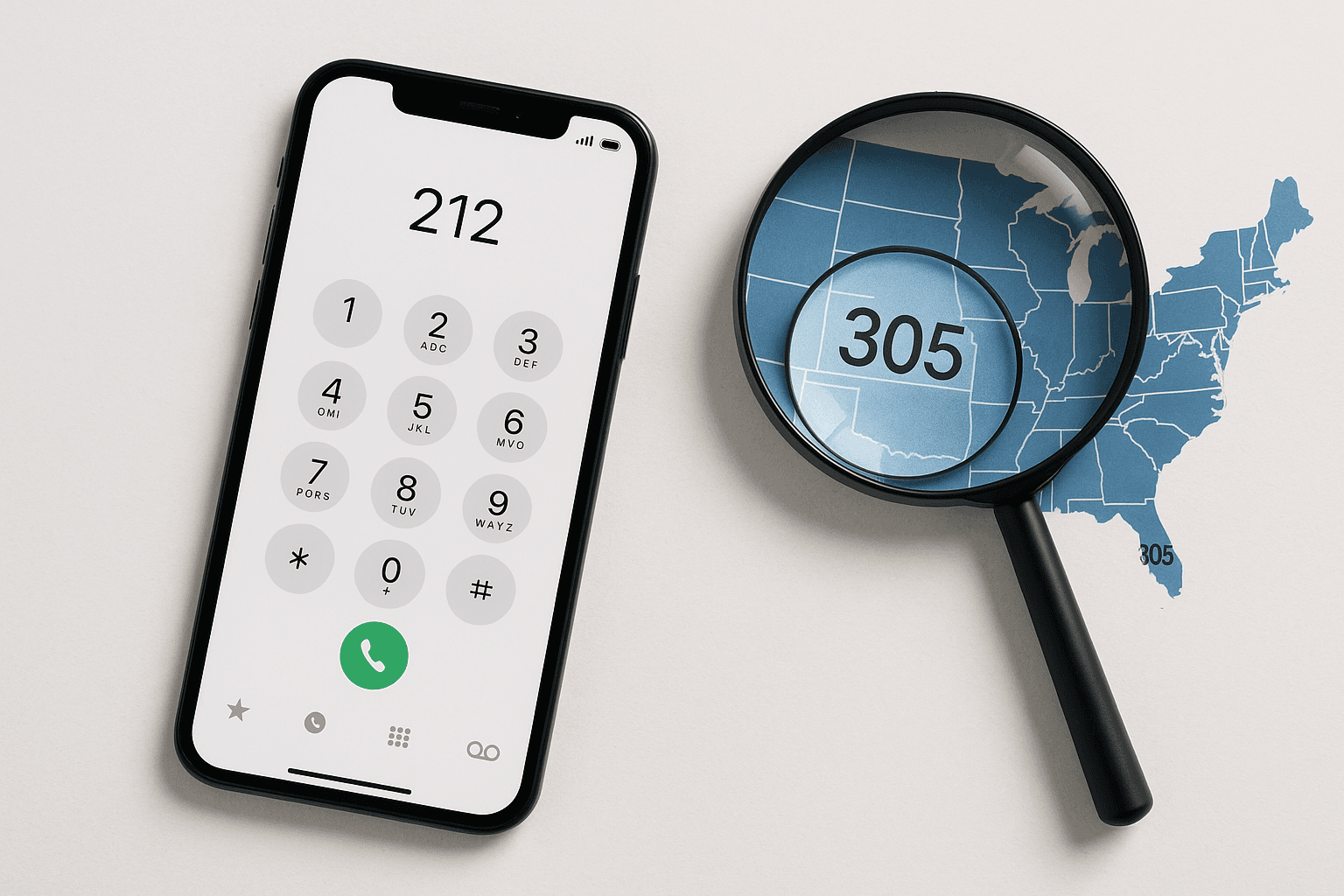
What Can an Area Code Tell You About a Phone Number?
TL;DR An area code reveals the geographic region where a phone number was originally assigned, whether it’s a landline or mobile number, and can help identify potential spam or scam calls. While area codes once definitively indicated a caller’s physical location, number portability and VoIP services have made this information less reliable. Area codes can […]